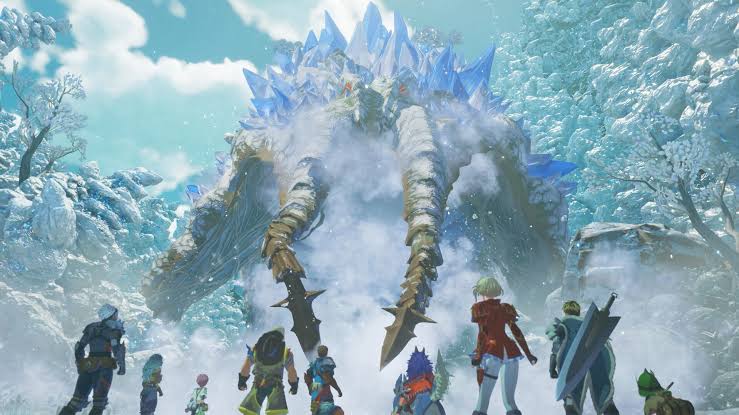
Monster Hunter Stories 3: Twisted Reflection takes Capcom’s monster-taming RPG series in a more ambitious direction. Instead of simply expanding the number of creatures players can collect, the third entry puts more attention on political conflict, environmental problems, character relationships, and a surprisingly deep turn-based combat system.
Released in March 2026 for Nintendo Switch 2, PlayStation 5, Xbox Series X|S, and PC, the game once again allows players to become a Rider who forms bonds with monsters, known as Monsties. This time, however, the adventure feels larger and more mature than before.
A Story Built Around Two Kingdoms

The story revolves around Azuria and Vermeil, two kingdoms moving dangerously close to conflict. Their problems become even more complicated when an egg produces a Rathalos, a species believed to have disappeared.
The situation becomes alarming when twin Rathalos are revealed, echoing an ominous event connected to a civil war 200 years earlier. At the same time, environmental deterioration and declining monster populations create an even greater threat.
Rather than presenting one kingdom as completely good and the other as obviously evil, the game gives both sides understandable motivations. Vermeil, for example, is suffering from a mysterious crystallization phenomenon known as the Encroachment.
That added moral complexity makes the narrative feel more engaging than a simple hero-versus-villain story. Princess Eleanor also plays an important role in giving the political conflict a more personal side.
Turn-Based Combat Feels More Strategic

Combat remains one of the strongest parts of Monster Hunter Stories 3. Battles use a turn-based structure, but they still carry ideas familiar to mainline Monster Hunter players. Different monster body parts can have different weaknesses, weapon types matter, elemental advantages can change a fight, and learning an enemy’s attack pattern is extremely important.
Players can bring multiple Monsties into battle, each with different strengths and abilities. The gene system adds another layer of customization, allowing monsters of the same species to perform completely different roles depending on how they are developed.
This creates plenty of room for experimentation rather than forcing players to build one perfect team.
Habitat Restoration Adds Something Fresh

One of the smartest additions is Habitat Restoration. Instead of treating monsters purely as creatures to collect, players can release them back into different environments. Doing so can improve local ecosystems and increase the chances of finding stronger or rarer Monsties later.
Non-native monsters can also be introduced into certain habitats, changing what creatures appear in that region. It gives exploration a stronger purpose. Searching monster dens, collecting eggs, improving genes, restoring habitats, and hunting stronger creatures all feed naturally into each other.
The June 2026 update also added Royal Monsters, giving experienced players tougher encounters after launch.
Visuals and Presentation Feel More Premium

The game has a colorful art direction that works well with the Monster Hunter universe. Combat animations are especially impressive. Powerful weapon attacks and Kinship Skills can become exaggerated spectacles, giving major battles a sense of energy without abandoning the lighter visual identity of the Stories series.
Characters are also more expressive, while environments feel larger and more inviting to explore. The presentation is strong enough that Stories 3 no longer feels like a small spin-off sitting in the shadow of the main Monster Hunter games.
Where the Adventure Still Struggles
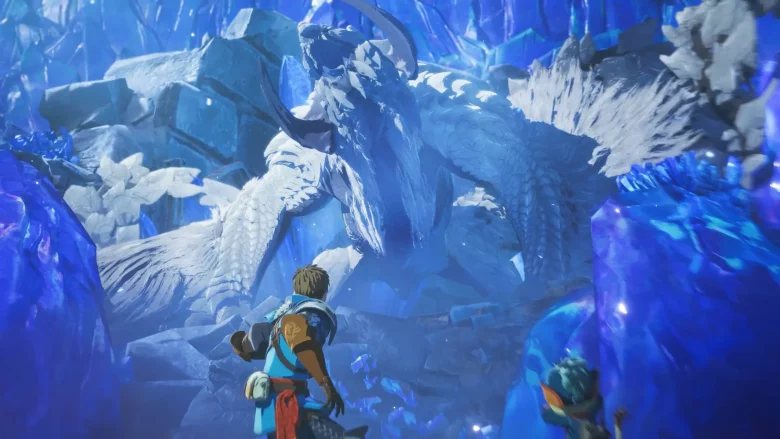
The game is not completely free from problems. Some mechanics are introduced too quickly, which can make the opening hours feel overwhelming. The large number of combat systems, genes, monster traits, and habitat mechanics requires patience before everything begins to make sense.
Pacing can also slow down because of side quests and late-game grinding. Some companion AI decisions are frustrating, particularly when allies repeatedly attack dangerous monster parts at the wrong moment. Managing and transferring Monstie genes can also become tedious once the collection grows significantly.
How the Review Score Is Calculated
The final rating uses five categories. Gameplay receives the highest weight because combat, monster development, and exploration make up most of the experience.
| Category | Weight | Score | Contribution |
|---|---|---|---|
| Combat & Gameplay | 30% | 9.2 | 2.76 |
| Story & Characters | 25% | 8.8 | 2.20 |
| Monster Systems | 20% | 9.2 | 1.84 |
| Exploration & World | 15% | 8.7 | 1.31 |
| Presentation & Performance | 10% | 8.8 | 0.88 |
| Final Score | 100% | 8.99/10 |
Rating in Different Formats
| Rating Format | Score |
|---|---|
| 10-Point Scale | 9.0/10 |
| 100-Point Scale | 90/100 |
| Stars | ★★★★½ — 4.5/5 |
| Letter Grade | A |
| Difficulty | Moderate |
| Recommendation | Highly Recommended |
GameSpot also awarded the game 9/10, praising its combat, monster customization, world design, and story while noting pacing and grinding issues.
With a final score of 9.0/10, Monster Hunter Stories 3: Twisted Reflection feels like the most confident entry in the spin-off series so far. Its deeper story, flexible combat, Habitat Restoration system, and addictive monster-building loop give players plenty of reasons to keep exploring long after the main adventure begins.
For RPG fans who enjoy turn-based battles, monster collecting, and long-term team customization, this is easily one of the most rewarding Monster Hunter experiences outside the mainline hunting series.