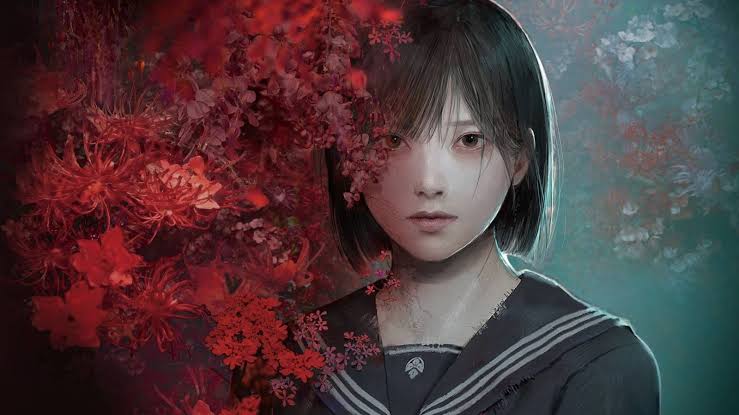
Silent Hill f takes one of gaming’s most famous horror franchises far away from its familiar American setting and places it in 1960s Japan. Developed by NeoBards Entertainment and published by Konami, the game follows teenager Shimizu Hinako as her isolated hometown of Ebisugaoka is swallowed by a mysterious fog and transformed into something disturbing.
Released on September 25, 2025 for PlayStation 5, Xbox Series X|S, Steam, Epic Games Store, and Windows, Silent Hill f feels both recognizable and completely different. It preserves the psychological themes of the series while using Japanese folklore, social pressure, body horror, and adolescence to create its own identity.
Ebisugaoka Is Beautiful and Terrifying
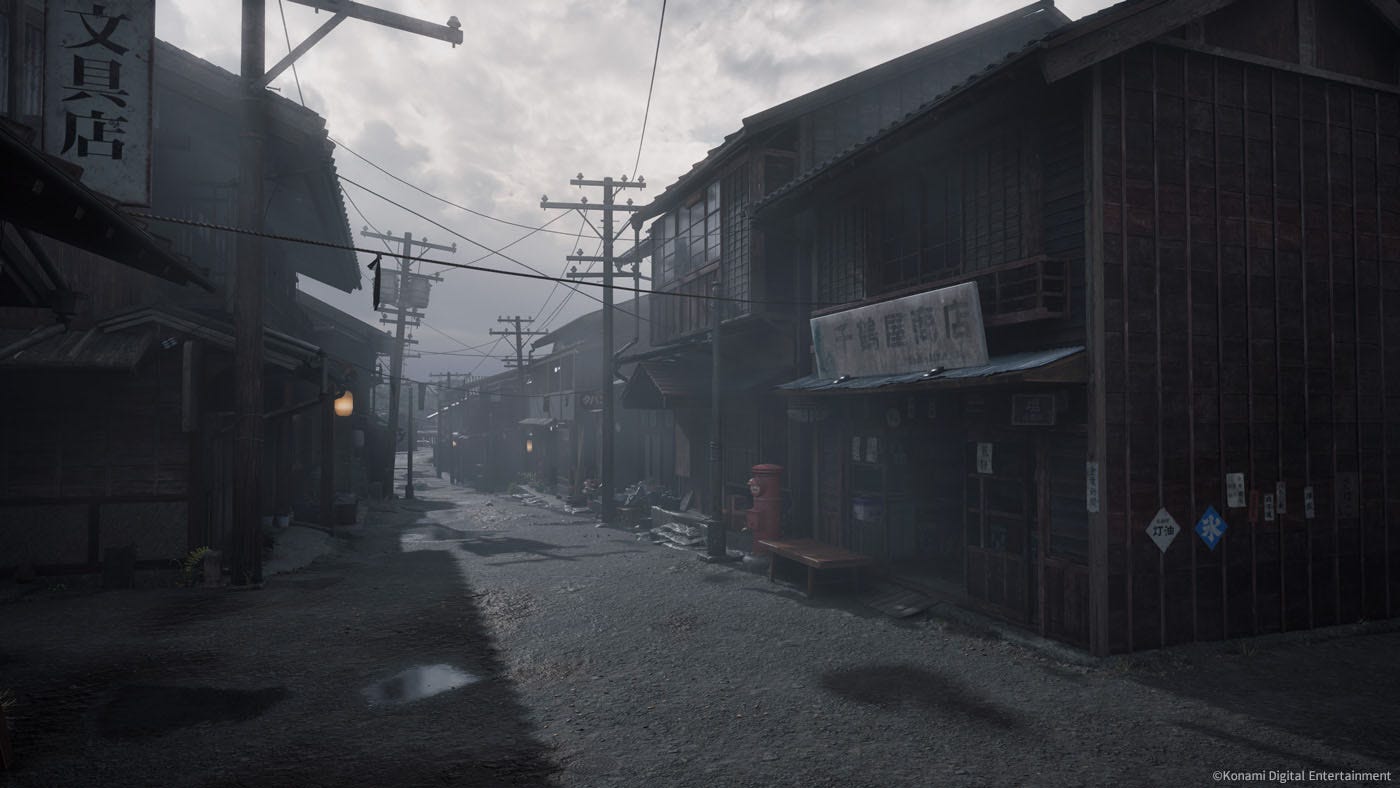
The fictional town of Ebisugaoka is easily one of the game’s greatest achievements.
Narrow streets, traditional houses, mist-covered paths, flowers, and abandoned buildings create a strong sense of isolation. Yet beauty constantly clashes with grotesque imagery. Flowers bloom from disturbing places, organic growth consumes familiar environments, and seemingly peaceful locations can become nightmarish within moments.
The game’s visual identity works because horror does not always come from darkness. Some of its most unsettling scenes are also its most colorful.
Konami describes the concept as finding “beauty in terror,” and the idea is reflected throughout the environments and creature designs. The Epic Games Store also highlights its 4K visuals and 3D audio, both of which contribute greatly to the atmosphere.
Hinako Carries a Strong Psychological Story
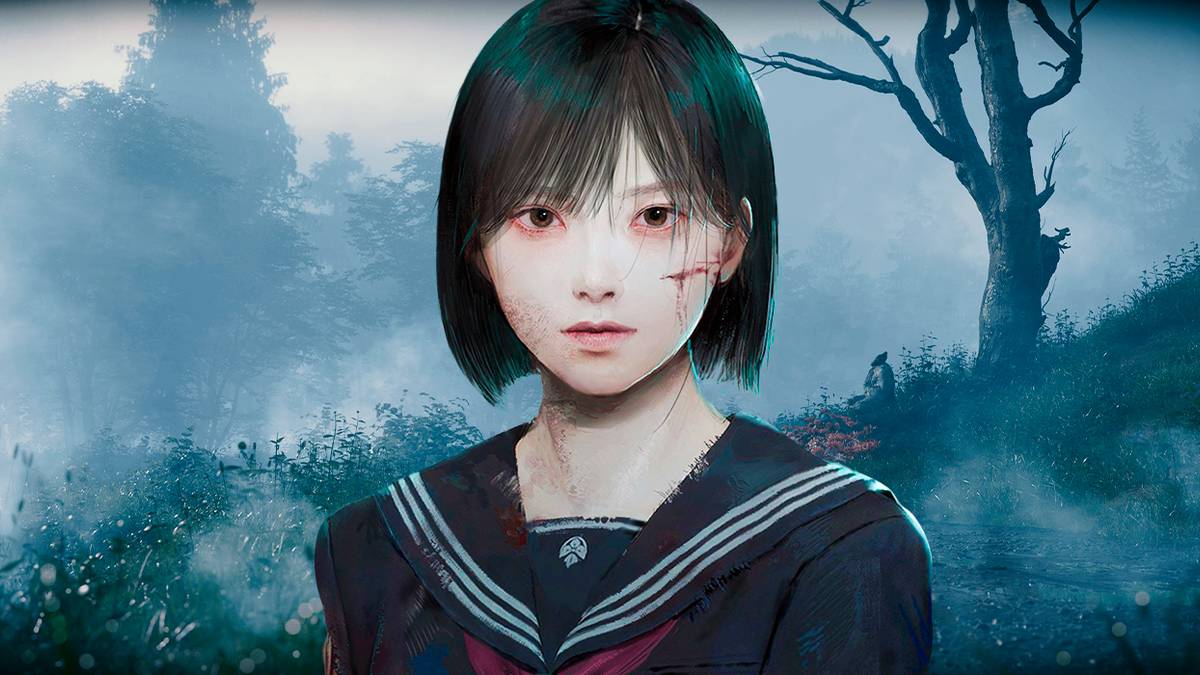
The narrative was written by Ryukishi07, known for psychologically complex stories such as Higurashi When They Cry.
Hinako is not presented as a traditional action hero. She is a young woman dealing with expectations from family, friends, and the society around her. As supernatural events grow worse, the game increasingly blurs the line between physical danger, personal trauma, and cultural beliefs.
Rather than immediately explaining everything, Silent Hill f deliberately leaves questions unanswered.
That approach becomes especially important through multiple playthroughs. New Game+ can reveal additional context and influence certain endings, making replaying the story more meaningful than simply repeating the same campaign. Konami continued refining those systems after release, including changes to New Game+ ending conditions in Patch 1.11.
Combat Is More Important, but Also More Divisive

Silent Hill f places heavier emphasis on melee combat than many older entries.
Hinako can dodge, attack, manage stamina, and carefully time defensive actions against grotesque enemies. Combat can become tense when resources are limited and several creatures attack simultaneously.
However, this is also the most divisive part of the experience.
Weapons and movement sometimes feel intentionally heavy, but that weight can become frustrating during repeated encounters. Some critics praised the challenge, while others felt that combat interrupted the psychological horror too frequently.
The Epic Games Store describes combat as challenging, while Metacritic reviews repeatedly highlight both its ambition and its occasional clumsiness.
Puzzles Still Matter
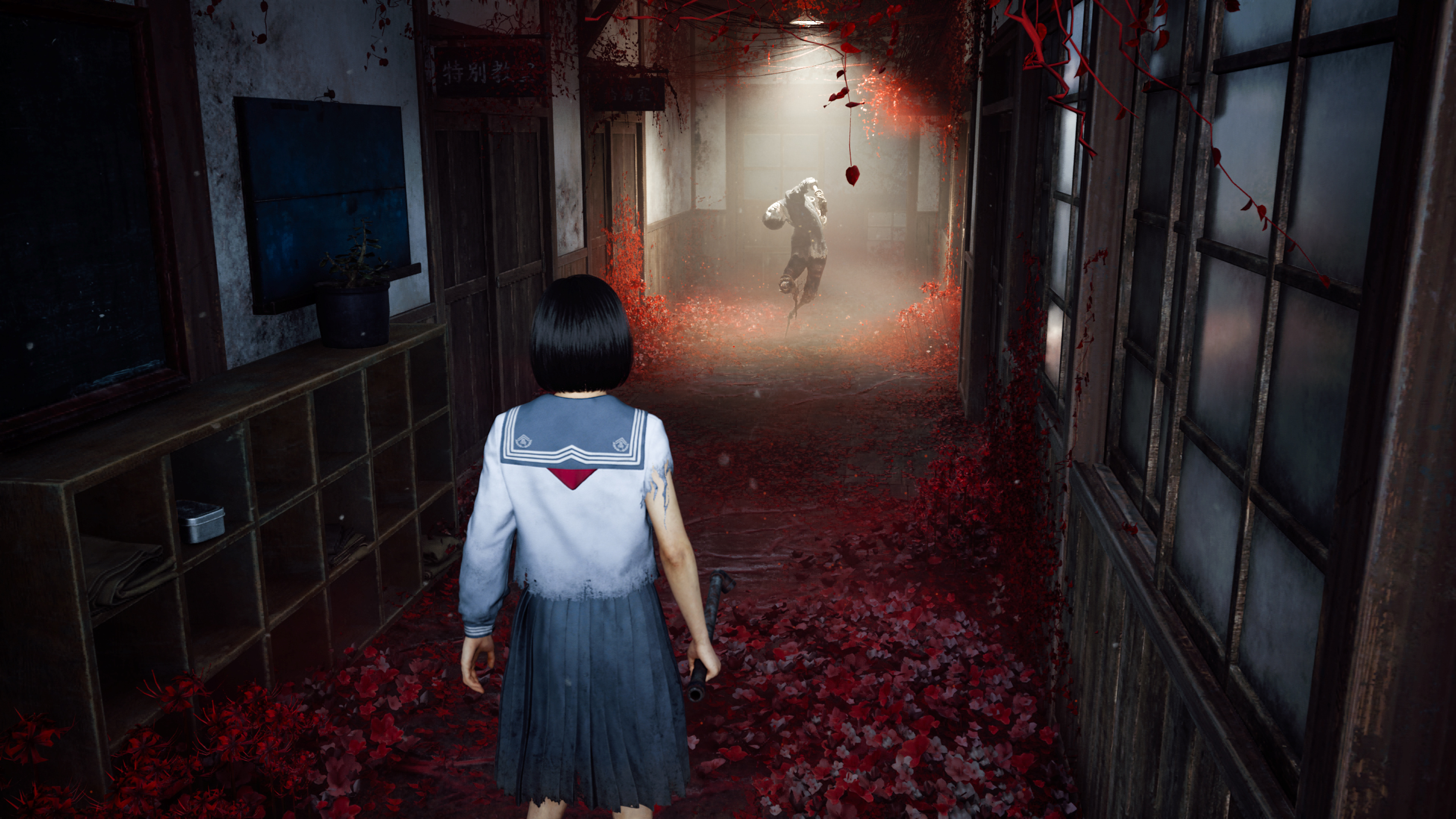
Fortunately, Silent Hill f has not abandoned puzzle solving.
Exploration regularly leads to environmental clues, written notes, symbols, and riddles that require careful observation. Puzzle difficulty can be adjusted separately from action difficulty, allowing players to customize the experience depending on whether they prefer combat or investigation.
This separation works especially well because some puzzles are deliberately obscure and tied closely to Japanese beliefs or local traditions.
The result feels closer to classic survival horror than a straightforward action game.
Strong Audio Completes the Experience
Sound design is another major strength.
Akira Yamaoka contributes music alongside compositions influenced by traditional Japanese sounds. Long stretches of silence are frequently interrupted by distant footsteps, uncomfortable environmental noises, or sudden changes in music.
Using headphones significantly improves the experience because positional audio helps create the feeling that something may be moving just outside the player’s view.
Silent Hill f Rating
| Category | Score |
|---|---|
| Story | 9.4/10 |
| Atmosphere | 9.6/10 |
| Visual Design | 9.5/10 |
| Sound & Music | 9.4/10 |
| Combat | 7.8/10 |
| Puzzles | 8.9/10 |
| Characters | 9.2/10 |
| Replay Value | 9.0/10 |
| Performance | 8.8/10 |
| Overall Rating | 9.0/10 |
Conclusion
Silent Hill f succeeds because it is willing to move the series somewhere unfamiliar without abandoning psychological horror.
Its strongest qualities are Ebisugaoka’s haunting atmosphere, Hinako’s emotionally heavy story, disturbing creature design, and exceptional audiovisual presentation. Combat is less consistent and may frustrate players who prefer the slower style of earlier Silent Hill games, but it rarely destroys the overall experience.
Critical reception has remained strong. Metacritic records an 86 Metascore, while Steam currently shows around 81 percent positive English-language reviews.
With its combination of Japanese folklore, body horror, difficult choices, and layered storytelling, Silent Hill f stands as one of the franchise’s boldest experiments.
Editorial Rating: 9.0/10.