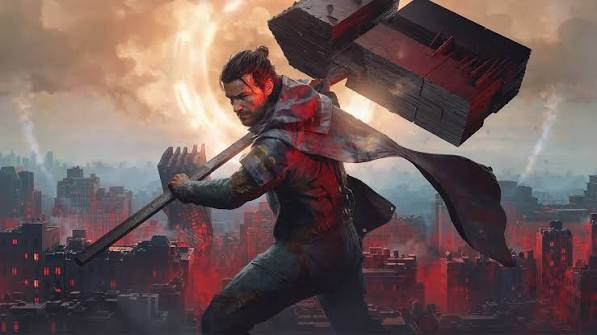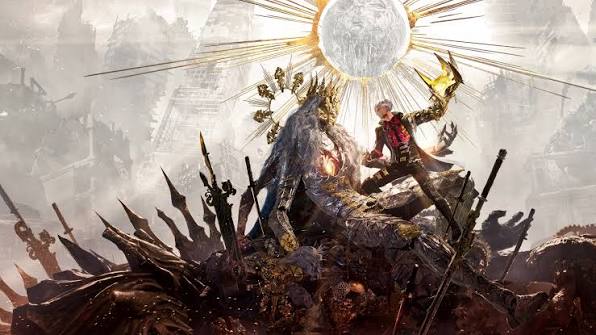

The Blood of Dawnwalker is a dark fantasy action RPG developed by Rebel Wolves and published by Bandai Namco Entertainment. The studio includes several industry veterans who previously contributed to The Witcher 3, creating high expectations for its first major release.
Instead of filling its open world with activities that can be completed without urgency, the game introduces a limited calendar. Important actions move time forward, forcing players to decide which people to help, which mysteries to investigate, and which opportunities they are willing to sacrifice.
A Desperate Mission in Vale Sangora
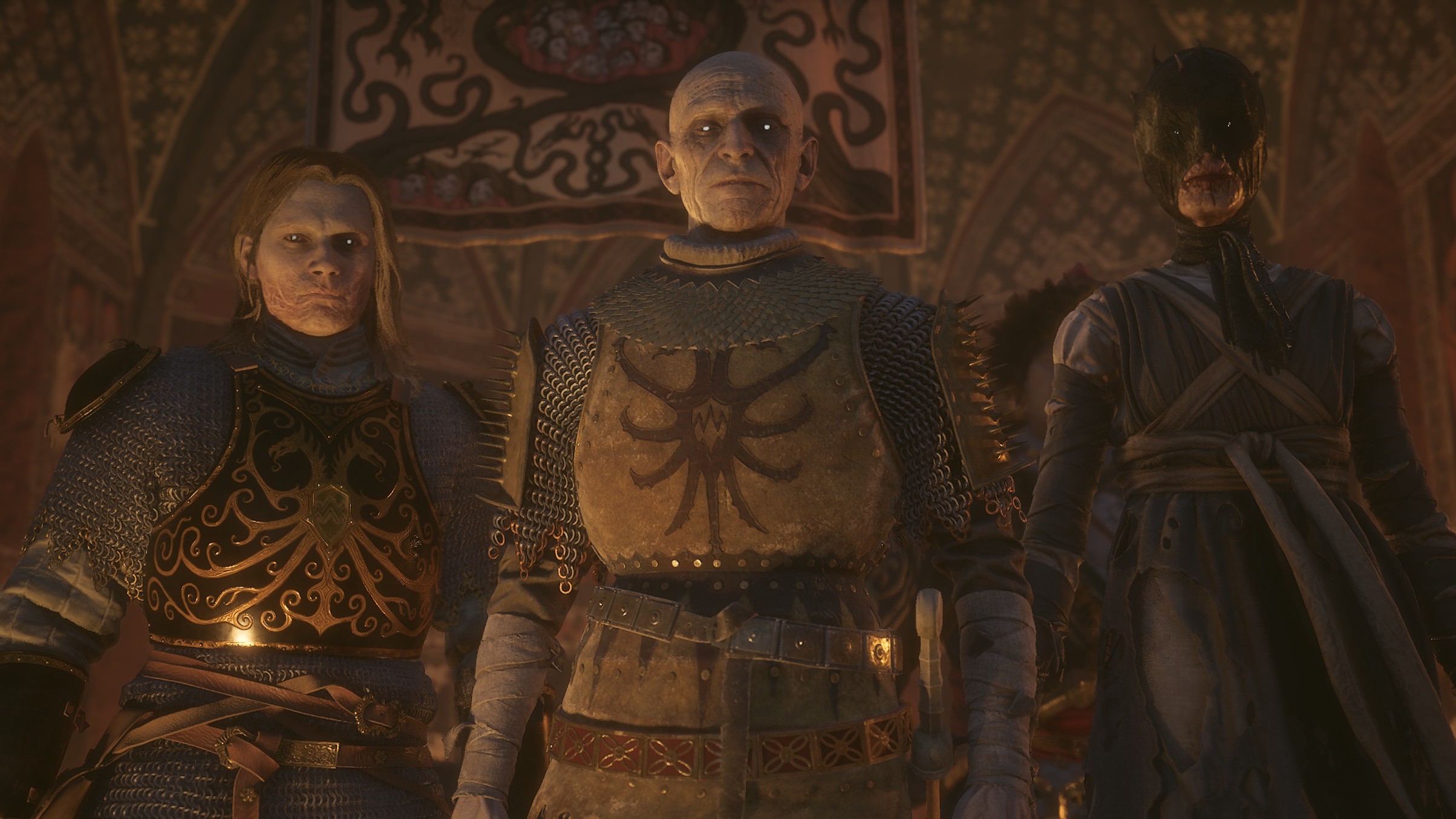
The story The Blood of Dawnwalker takes place in Vale Sangora, a fictional European region during the 14th century. Disease, poverty, and social conflict have weakened the population. A powerful group of vampires uses this chaos to seize control, presenting themselves as protectors before establishing a brutal new order.
Players control Coen, a young man who becomes a Dawnwalker following a dangerous encounter. His unusual condition leaves him human during the day but gives him supernatural abilities after sunset.
At the heart of The Blood of Dawnwalker is Coen’s attempt to rescue his kidnapped family from Brencis, the vampire ruler of Vale Sangora. He has only 30 in-game days to complete his mission. Running out of time does not immediately cause a traditional game-over screen, but it changes the story and creates serious consequences.
This structure gives the adventure a constant sense of pressure. Players can still explore the world, gather equipment, and fight enemies without watching a timer decrease every second. Time usually advances after completing a meaningful stage of a mission.
Why The Blood of Dawnwalker Feels Different
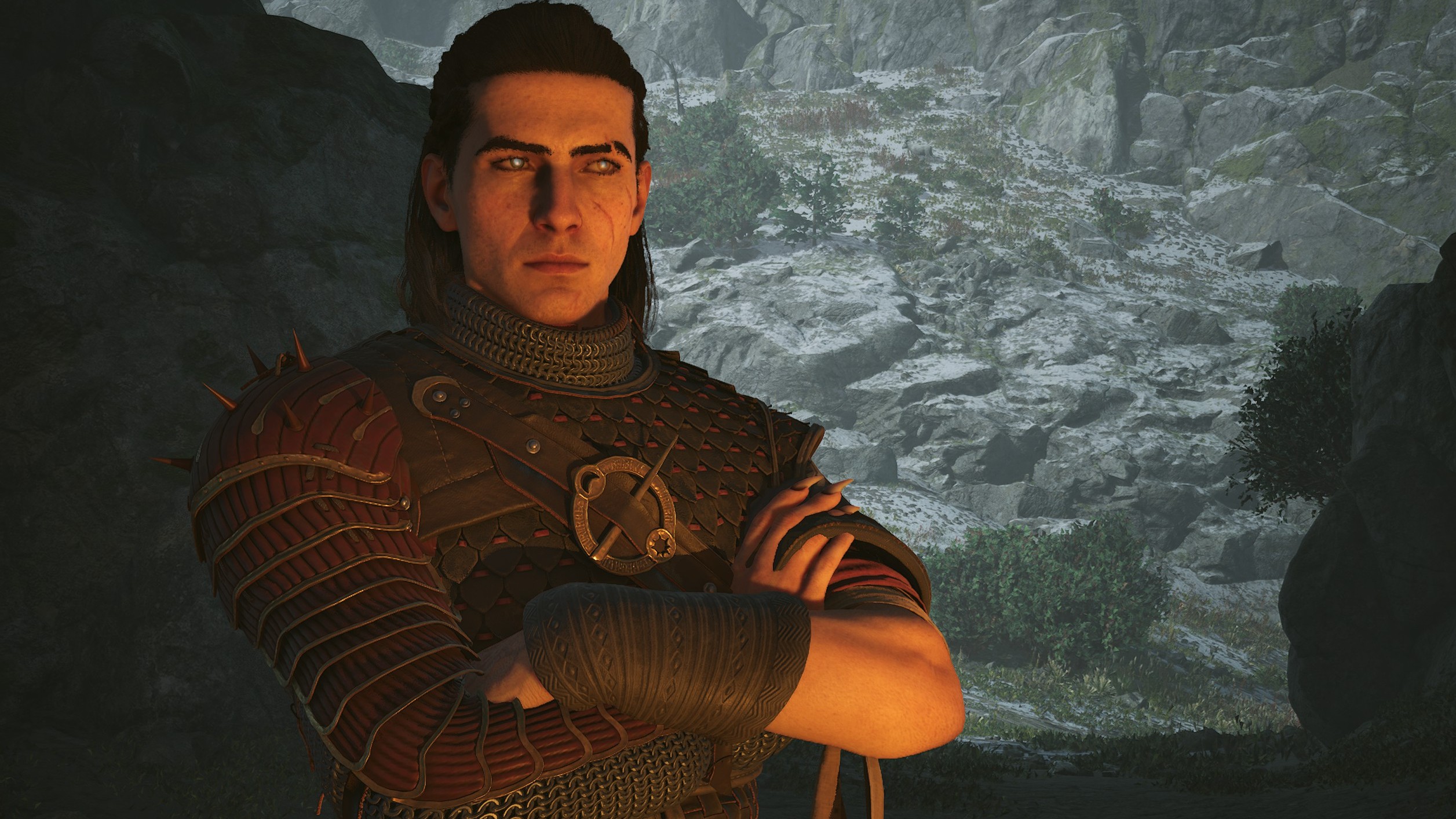
Coen’s abilities change depending on whether he is traveling during the day or at night. In daylight, he primarily uses a sword and relies on human combat skills. He can speak more openly with residents and enter locations without immediately exposing his supernatural identity.
After sunset, Coen gains vampire powers. He can move across rooftops, approach guarded locations from above, and use supernatural attacks against stronger opponents. Some paths that appear impossible during the day become accessible at night.
In The Blood of Dawnwalker, this transformation affects more than combat. Certain conversations, characters, and activities are only available during specific periods. Players must therefore consider not only where they want to go, but also when they should arrive.
The system helps make Vale Sangora feel more dynamic. Revisiting a familiar settlement at night can reveal new dangers, hidden routes, and opportunities that were absent during the day.
Strong Storytelling with Repetitive Activities

The writing and worldbuilding are among The Blood of Dawnwalker greatest strengths. Vale Sangora feels oppressive, dangerous, and shaped by its history. Residents are dealing with illness, food shortages, religious tension, and fear of their new rulers.
Choices can influence Coen’s relationships and determine how individual quests conclude. The player will not always have enough time to solve every problem. Choosing one objective may permanently close another opportunity, giving smaller decisions more weight than in many open-world adventures.
More gaming reviews and updates are available on GOTO77.
Not every quest maintains the same quality. Several activities follow a familiar sequence of speaking to someone, investigating an area, collecting clues, and fighting another group of enemies. This repetition becomes more noticeable during longer sessions, particularly when the narrative surrounding a mission is less engaging.
Combat, Visuals, and Technical Performance

Combat uses directional attacks, blocks, and counterattacks. Players must observe an opponent’s movement and respond from the correct direction. Boss encounters make good use of this system because their attack patterns require concentration and careful timing.
Regular battles are less consistent. Some enemies repeat similar movements, making later encounters feel like exercises in memorization. Vampire powers create additional options, but the combat system does not always feel as fluid as its presentation suggests.
Artistically, the game delivers an impressive interpretation of medieval Europe. Dense settlements, ruined villages, forests, castles, and underground areas reinforce its grim atmosphere. Music and voice acting also help important characters and dramatic scenes feel convincing.
Technical performance is one of its weaker areas. Animation glitches, uneven frame rates, texture-loading problems, and occasional bugs may interrupt the experience. These issues do not completely undermine the adventure, but post-release updates are needed to improve its consistency.
The Blood of Dawnwalker Review Scores
| Review Category | Score | Brief Assessment |
|---|---|---|
| Story | 9/10 | Compelling writing and consequential choices |
| Gameplay | 8/10 | The day-and-night system creates meaningful variety |
| Combat | 7.5/10 | Enjoyable but increasingly repetitive |
| Visuals and atmosphere | 8.5/10 | A convincing and oppressive medieval world |
| Music and voice acting | 8.5/10 | Strong performances support the narrative |
| Technical performance | 7/10 | Bugs and frame-rate issues reduce its polish |
| Overall score | 8.2/10 | An ambitious debut with a distinctive identity |

Final Verdict
The Blood of Dawnwalker succeeds through its dark setting, meaningful decisions, and clever use of time. Coen’s transformation between human and vampire provides different methods for exploration and combat, while the 30-day structure encourages players to accept the consequences of their choices.
Repetitive quests and technical problems prevent the experience from reaching its full potential. Even with those shortcomings, Rebel Wolves has created a memorable narrative RPG that should appeal to players who enjoy difficult choices, medieval horror, exploration, and vampire mythology.