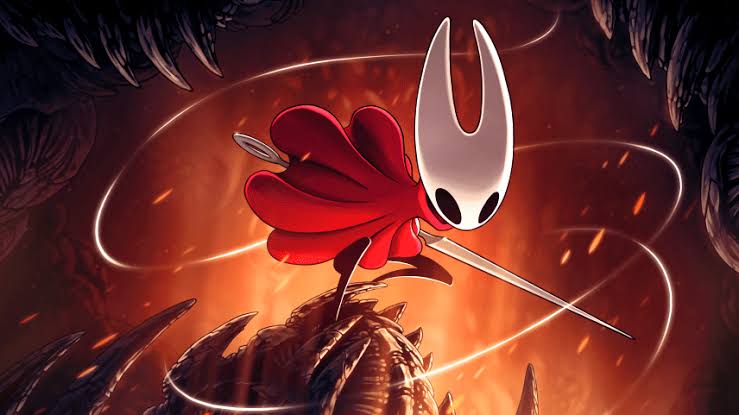
After years of anticipation, Hollow Knight: Silksong finally arrived on September 4, 2025, and Team Cherry somehow managed to turn impossible expectations into one of the strongest Metroidvania sequels in recent memory. Rather than simply recreating the original Hollow Knight Silksong , the sequel uses Hornet’s speed, agility, and personality to build a noticeably faster adventure. It launched across PC, Nintendo Switch, Switch 2, PlayStation 4, PlayStation 5, Xbox One, and Xbox Series platforms.
The result is familiar enough for longtime fans but different enough to justify the years of waiting.
Hornet Completely Changes the Rhythm
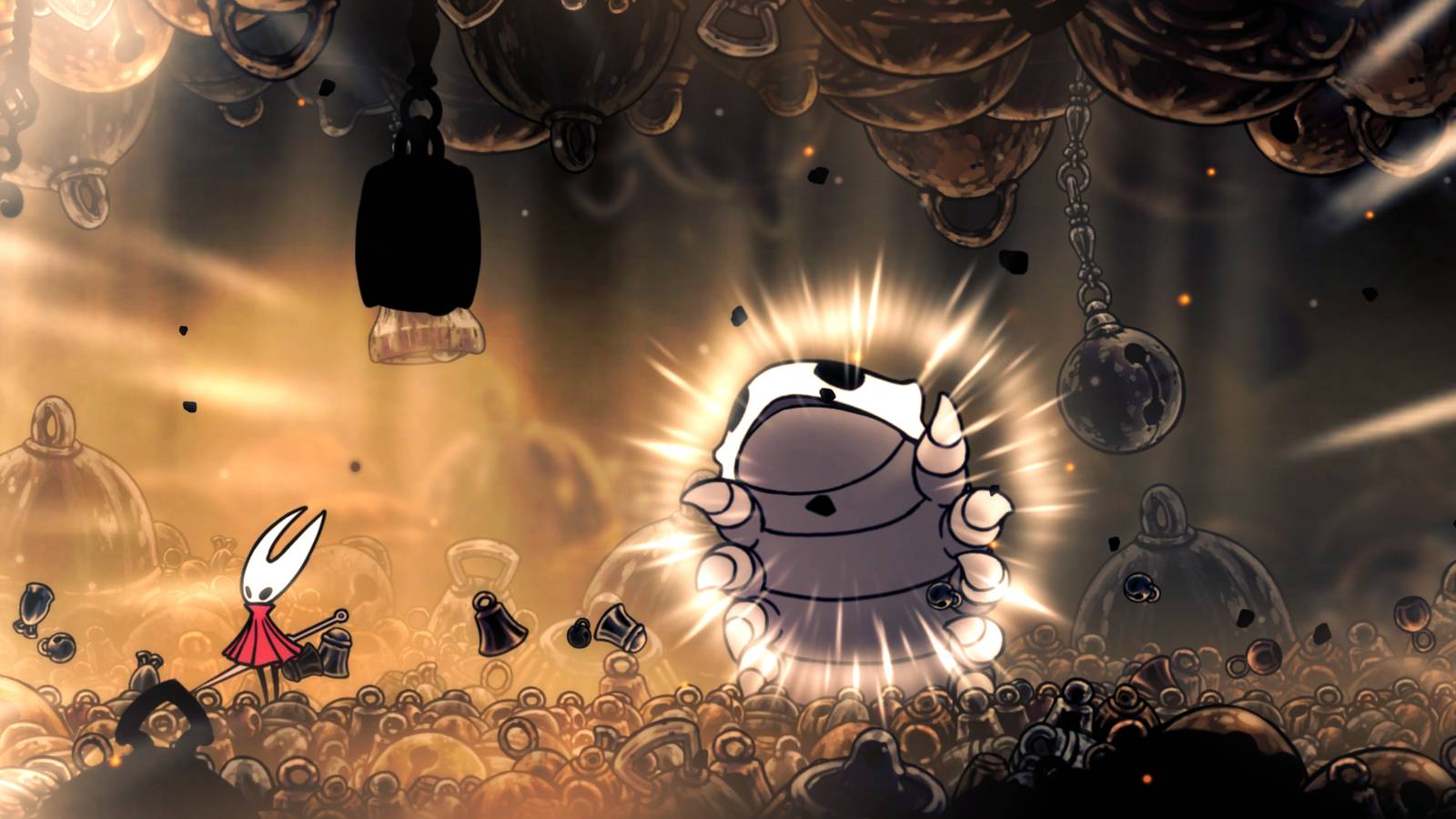
Hornet is faster and more aggressive than the Knight. She can leap, dash, attack diagonally, use silk abilities, and craft tools that considerably expand her combat options.
That mobility changes almost everything. Fighting enemies encourages controlled aggression rather than simply waiting for a safe opening. Silk is especially important because it fuels powerful abilities and healing, rewarding players who remain active during encounters. GameSpot similarly praised the faster tempo and expanded offensive options compared with the first game.
Movement also makes platforming considerably more expressive. Traversing large rooms, bouncing off enemies, and reaching hidden passages often feels like solving a small movement puzzle.
Pharloom Is Huge and Constantly Surprising
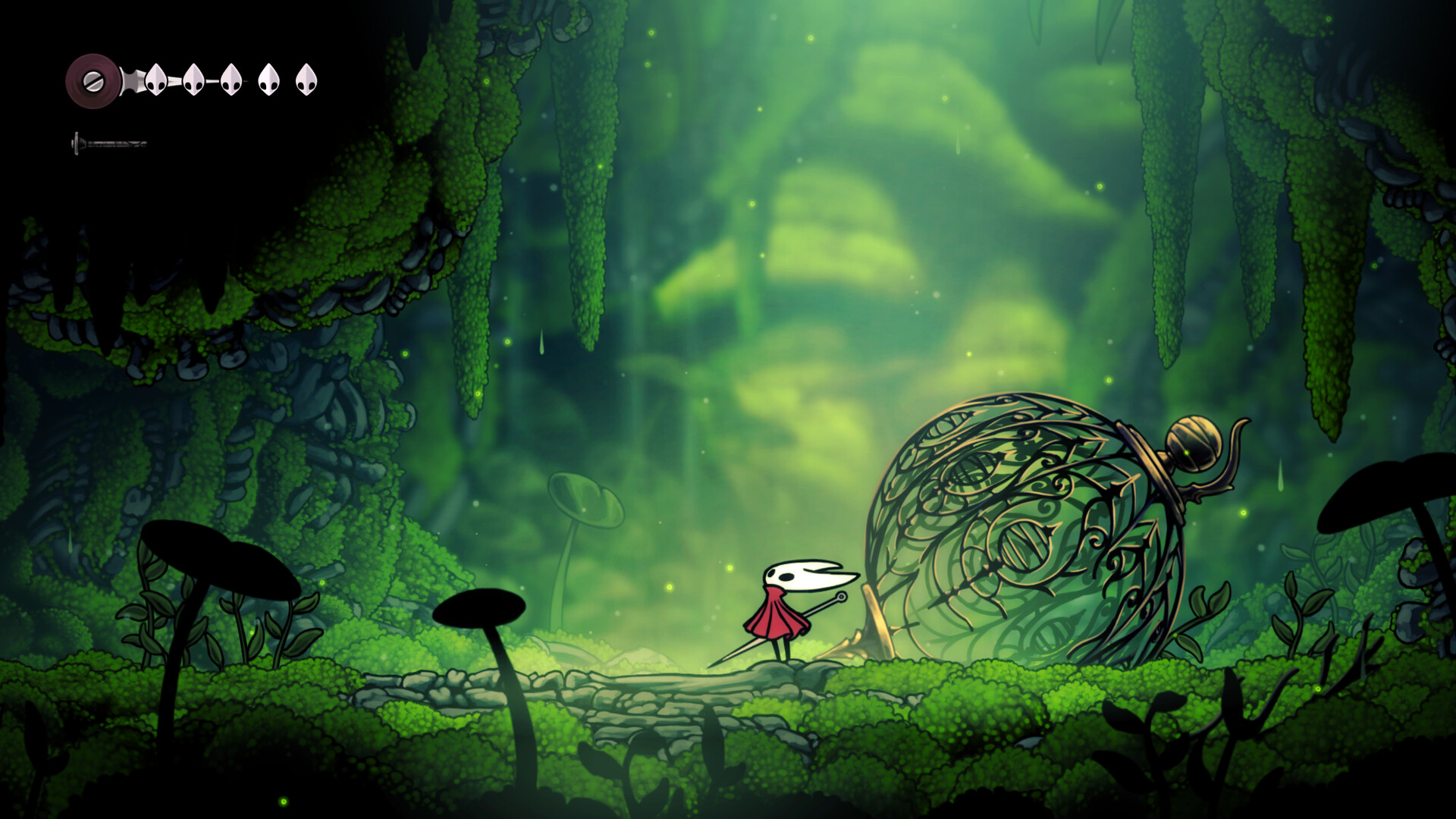
Hornet is captured and transported to Pharloom, a mysterious kingdom filled with moss-covered caves, coral forests, ruined settlements, fiery regions, and enormous citadels. Her journey takes her upward toward the kingdom’s peak while gradually revealing the reason behind her capture.
Exploration remains the heart of the experience.
Pharloom Silksong is more guided than Hallownest, with clearer objectives and quest tracking, but it never completely abandons discovery. Side paths frequently lead to NPCs, tools, unusual encounters, or entire areas that can easily be missed. PC Gamer highlighted just how expansive and varied its regions become, with multiple directions often available simultaneously.
Boss Battles Are Fast, Beautiful, and Unforgiving
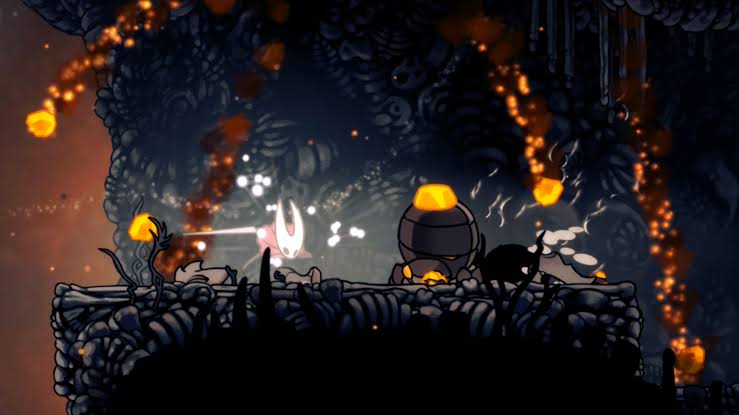
Bosses provide some of Silksong’s strongest moments. Many fights resemble elaborate dances as Hornet moves rapidly between attacks while looking for brief opportunities to counter.
Team Cherry says the game contains more than 200 enemies, ranging from beasts and hunters to assassins, monsters, and knights.
The difficulty, however, will not appeal to everyone. Several bosses hit extremely hard, checkpoints can require another dangerous journey back to the arena, and environmental hazards regularly punish careless movement.
That harshness sometimes borders on frustration. PC Gamer noted that portions of the game can feel deliberately cruel, while GameSpot also observed that boss runbacks and higher damage make some encounters particularly unforgiving.
Art and Music Remain Exceptional
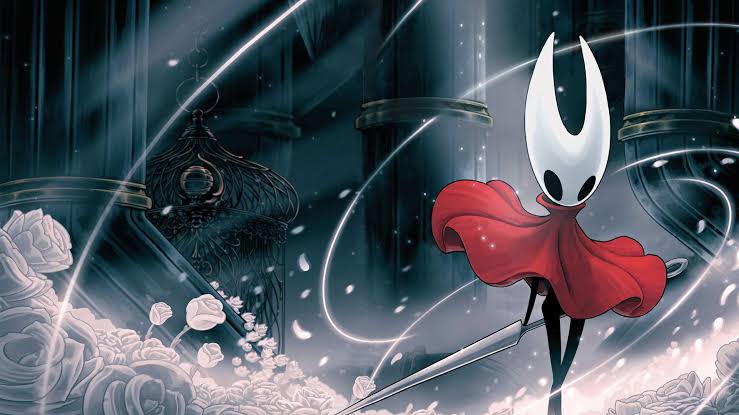
Visually, Silksong is stunning without relying on technical realism. Hand-drawn environments use bold shapes, detailed animation, and strong color contrasts to give every region its own identity.
Christopher Larkin returns as composer, providing orchestral music that shifts naturally between melancholy exploration themes and energetic boss tracks. Team Cherry describes the soundtrack as combining symphonic strings with more intense themes created specifically for major encounters.
The sound design deserves equal praise. Metal strikes, distant creatures, bells, machinery, and environmental noises make Pharloom feel unusually tangible for a 2D world.
Some Frustrations Still Remain
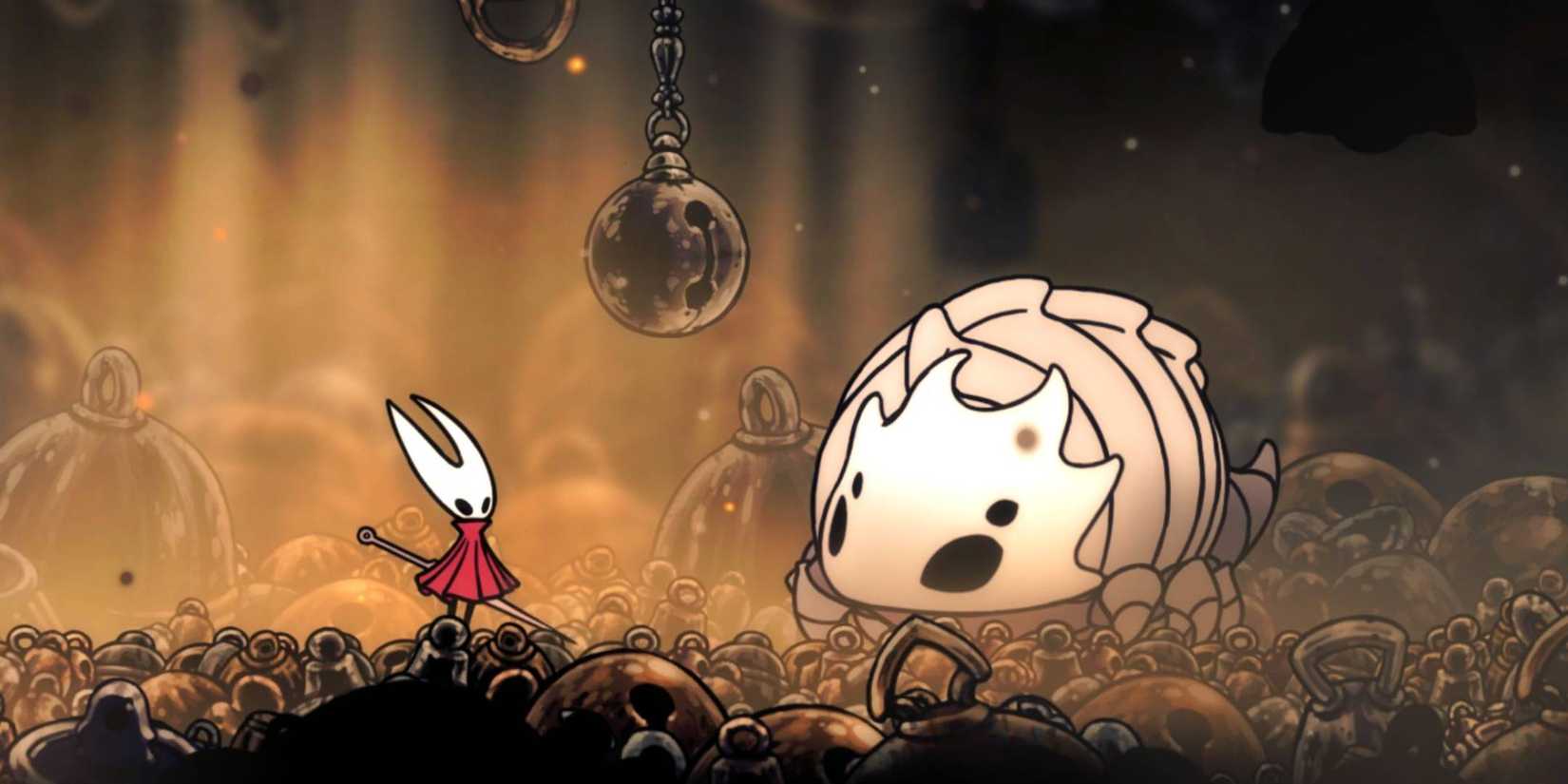
Silksong is not flawless. Certain combat gauntlets repeat enemies too often, while the distance between checkpoints can make failure more exhausting than educational.
Its difficulty curve can also become surprisingly steep. Newcomers expecting a relaxing exploration game may quickly discover that Team Cherry demands precision.
Still, the broader reception has been extremely strong. The PC version currently holds a 90 Metascore, while Steam lists English-language user reviews as Very Positive, with roughly 93 percent positive at the time checked.
For readers looking for more game reviews, gaming news, and entertainment coverage, additional discussions can also be explored through HEBOHWIN99 platform.
Hollow Knight: Silksong Review Scorecard
| Category | Score | Grade |
|---|---|---|
| Combat | 9.4/10 | A |
| Exploration | 9.6/10 | A+ |
| Boss Design | 9.3/10 | A |
| Platforming | 9.5/10 | A+ |
| Art Direction | 9.7/10 | A+ |
| Sound & Music | 9.6/10 | A+ |
| Story & Worldbuilding | 9.0/10 | A |
| Accessibility | 8.0/10 | B |
| Technical Polish | 9.2/10 | A |
Needle & Silk Meter
Exploration: █████████▋ 97%
Combat Flow: █████████▍ 94%
Boss Battles: █████████▎ 93%
Atmosphere: █████████▊ 98%
Beginner Friendly: ███████▌░░ 76%
How the Final Score Is Calculated
Combat 25% + exploration 25% + bosses 15% + platforming 10% + art and audio 15% + story 5% + technical polish 5%.
Final Score: 9.5/10 — Grade A+
Final Verdict
Hollow Knight: Silksong succeeds because it understands what made the original special without being trapped by it. Hornet transforms movement and combat, Pharloom rewards curiosity, and the combination of hand-drawn art and Christopher Larkin’s music remains exceptional.
Its punishing difficulty and demanding checkpoints will frustrate some players, but overcoming those challenges provides enormous satisfaction.
At 9.5/10, Silksong is not merely a worthy sequel. It is a confident evolution of Hollow Knight and one of the strongest modern examples of how exploration, combat, atmosphere, and world design can work together in a Metroidvania.