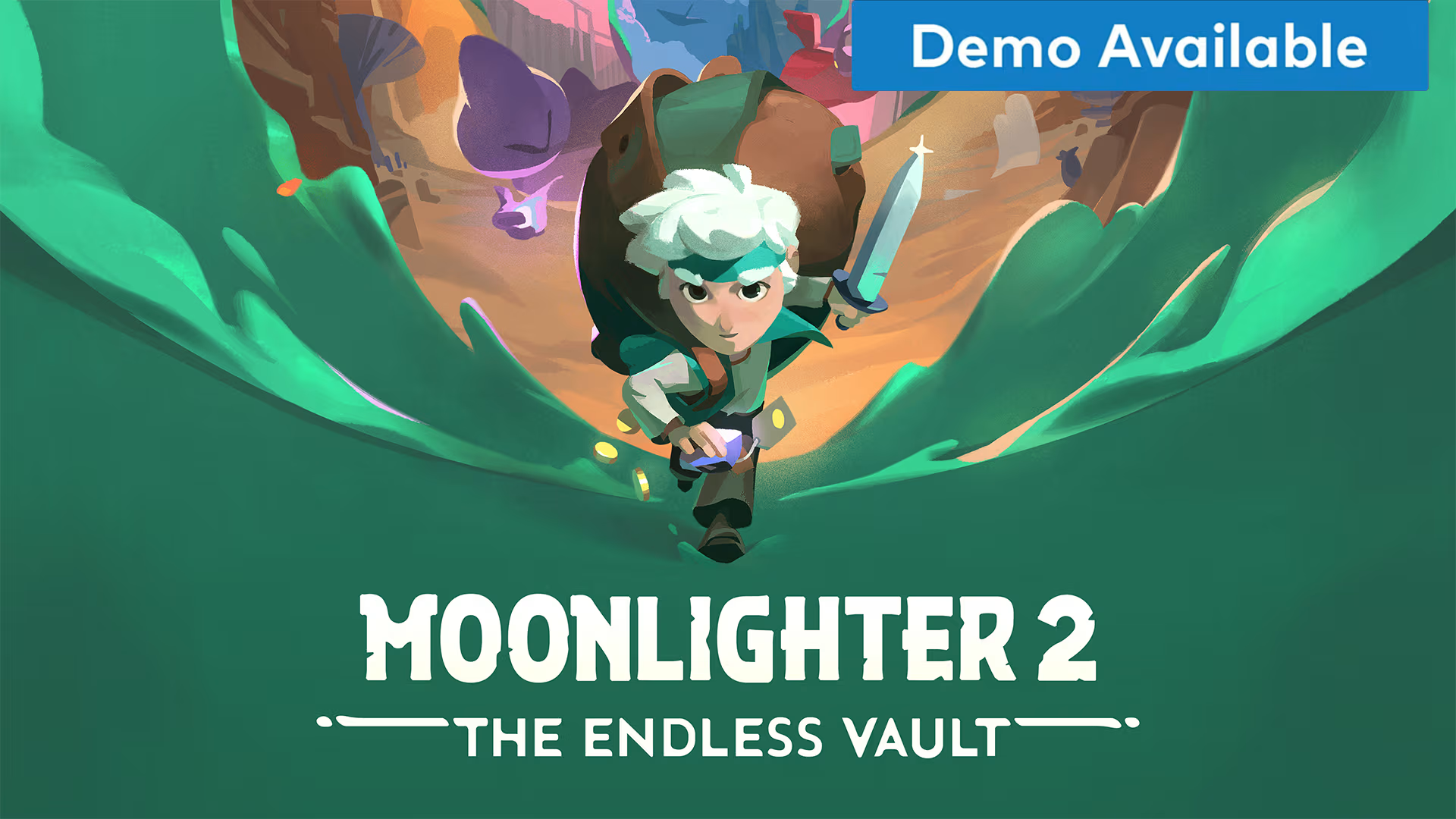
Moonlighter 2 introduces major changes compared with the original game released in 2018. Digital Sun retains the central idea of a merchant entering dangerous dungeons to collect valuable goods, but the combat, exploration, inventory, visuals, and shop management systems have all been redesigned.
The Endless Vault consequently feels more like a reimagining than a conventional sequel. Its expanded mechanics create a deeper and more strategic experience, although several new systems require patience before players can understand their full potential.
Will Begins a New Life in Tresna
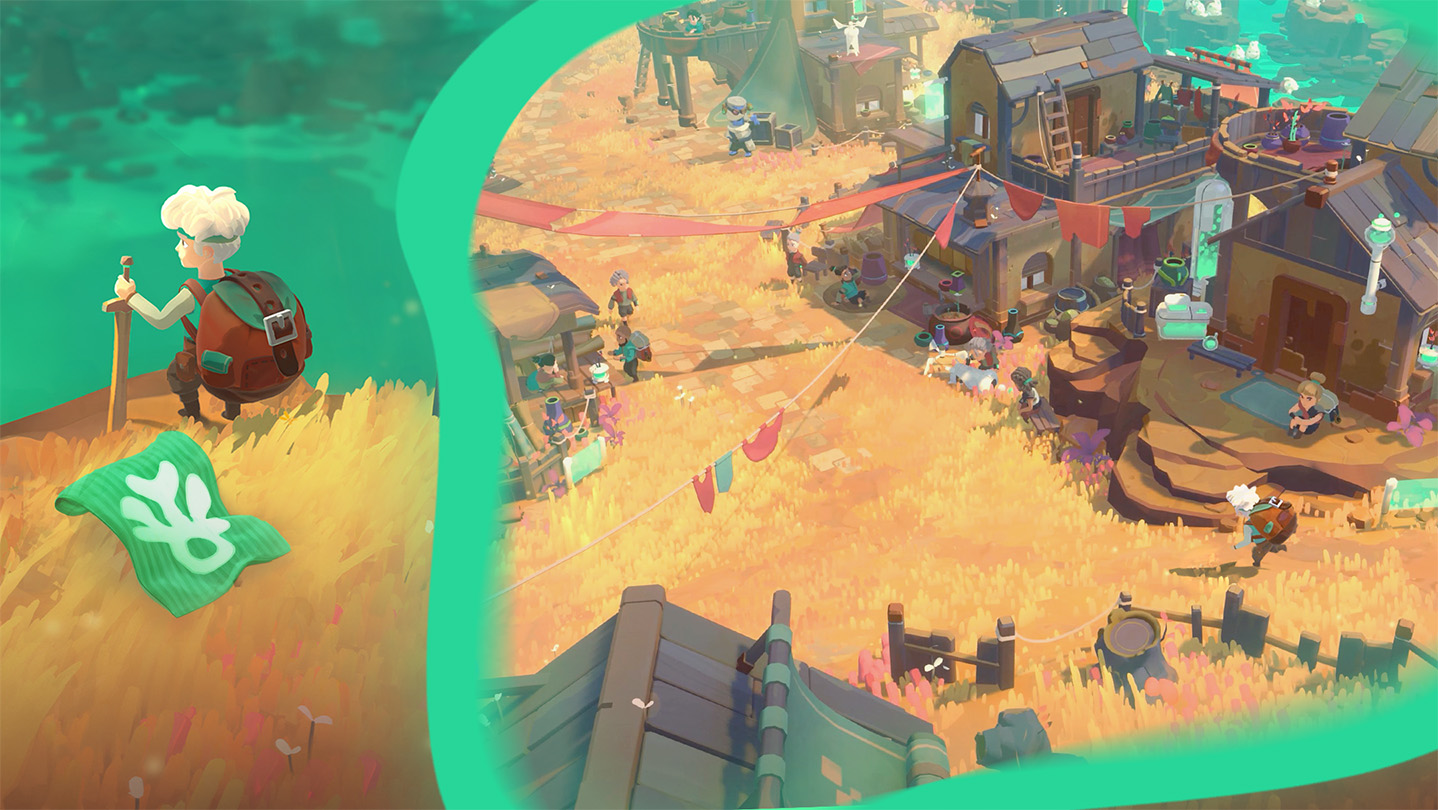
Moonlighter 2 once again follows Will, the adventurous shopkeeper who divided his time between fighting monsters and serving customers in the first game. His home of Rynoka has now been conquered by the villainous Moloch, leaving Will and other survivors displaced in the unfamiliar town of Tresna.
To save his former home, Will must collect a substantial amount of money and satisfy the mysterious Endless Vault. That mission sends him into interdimensional dungeons where he fights enemies, gathers relics, and searches for resources.
The familiar gameplay cycle remains intact: explore, fight, collect merchandise, return to town, and sell everything for a profit. The money can then be invested in equipment, store improvements, and the continued development of Tresna.
Characters living around town provide additional missions and activities. Will can also rescue people trapped inside dimensional rifts. Some of these survivors eventually offer useful services, creating a meaningful connection between dungeon progression and the restoration of the settlement.
Dungeon Exploration Follows a New Structure
Moonlighter 2 abandons the room-based dungeon maps associated with the original. Each run now follows a sequence of connected nodes, allowing players to choose between regular battles, miniboss encounters, treasure rooms, ability upgrades, and unpredictable events.
This arrangement is similar to the route-selection systems used in games such as Slay the Spire. Every decision carries possible risks and rewards. Players must consider Will’s remaining health, current abilities, and the value of collected merchandise before choosing the next destination.
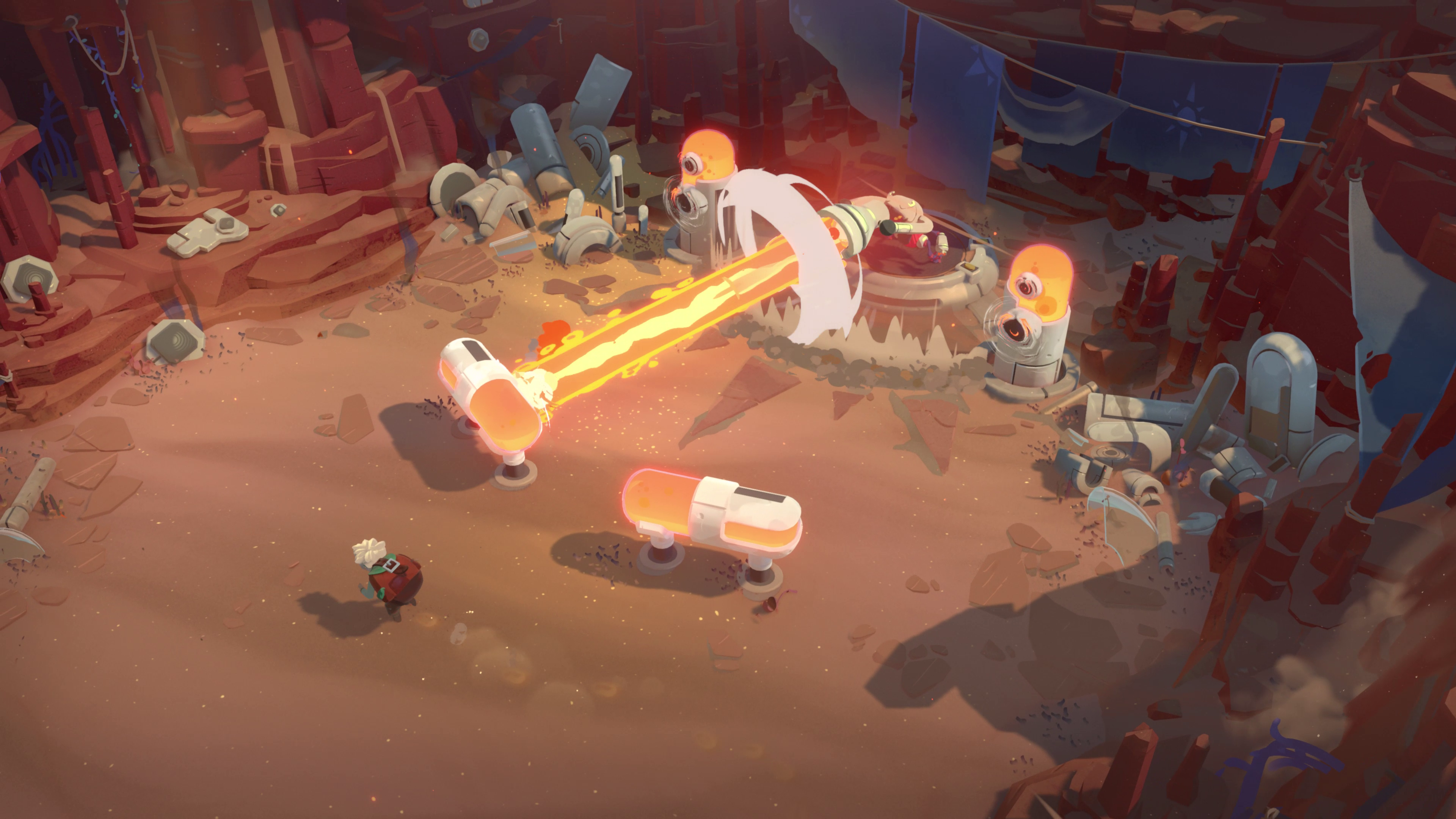
Combat gives Will access to melee attacks, a limited ranged option, special abilities, and a dodge. Standard difficulty can be demanding because several enemies frequently attack at the same time. Projectiles and area-of-effect strikes can quickly overwhelm players who fail to use every available movement option.
Moonlighter 2 allows Will to return to Tresna at almost any point. Ending a run early protects the items currently stored in his bag. If he loses all his health, the relics remain in the inventory, but their quality and potential selling price are reduced.
That system creates an effective risk-and-reward decision. Continuing could produce more valuable merchandise, while returning immediately guarantees that the existing collection reaches the shop in its best condition.
Inventory Management Becomes More Strategic
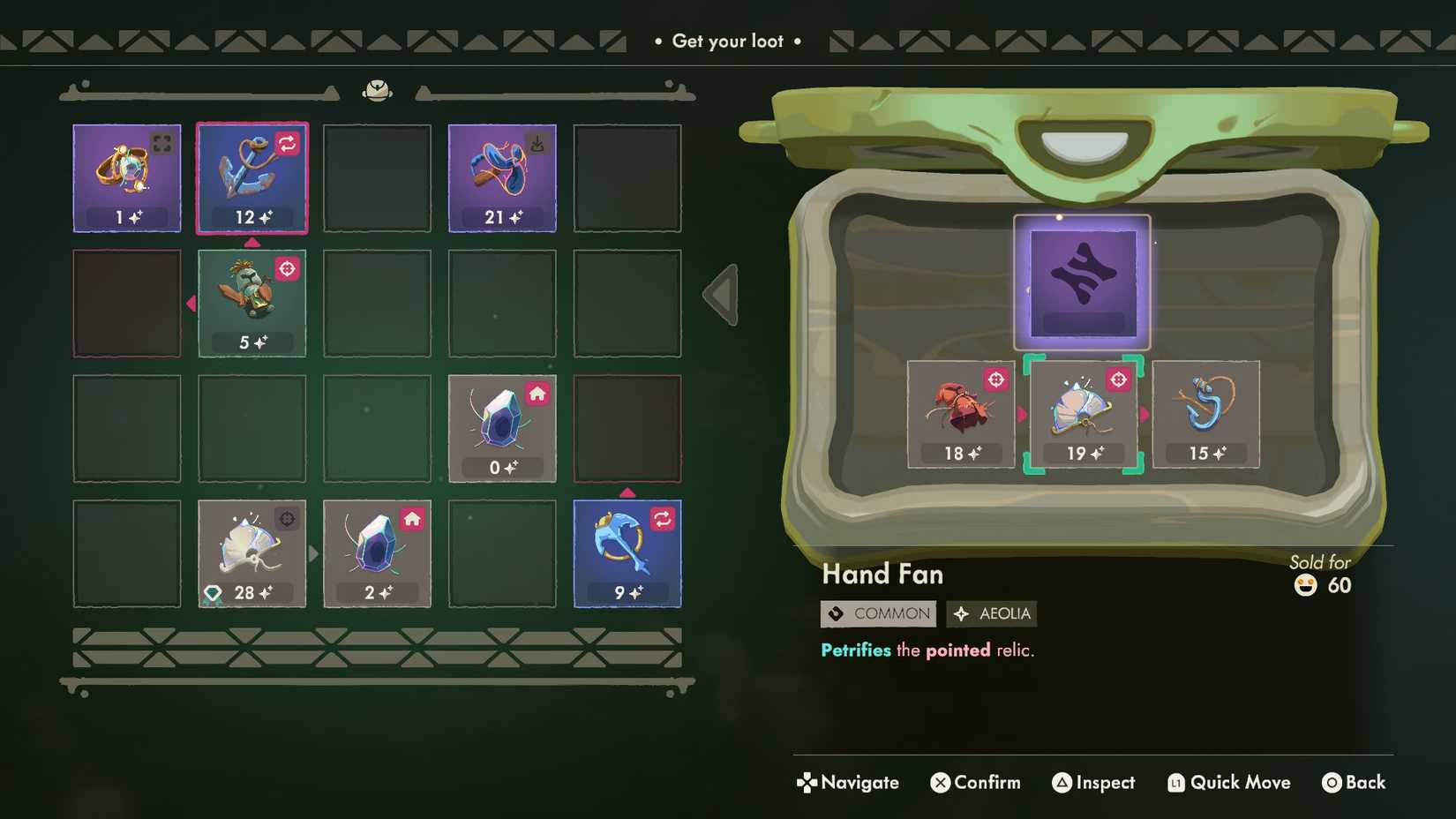
Inventory organization in Moonlighter 2 involves more than keeping the most expensive objects. Every world introduces rules that can alter a relic’s quality or form depending on its position inside Will’s bag.
In one region, an item may burn another relic located in a particular direction. A different object might gain quality whenever something is destroyed. Other locations introduce crystals, dolls, batteries, and overcharging, forcing players to learn a new collection puzzle in each biome.
The idea adds strategy to every dungeon run, but it can also become unnecessarily complicated. Players may only begin to understand one region’s rules before the next area introduces an entirely different system. Ignoring these interactions is possible, although doing so reduces the maximum value of collected goods.
Back in Tresna, Will sets prices and watches customer reactions to determine how much they are prepared to pay. Profits can be used to expand the store, purchase furniture, install special display cases, and improve future sales.
Shopkeeping therefore serves a clear purpose beyond functioning as a separate minigame. Treasure gathered during combat finances character progression, store upgrades, and the recovery of the wider community.
Colorful 3D Visuals Create a New Identity
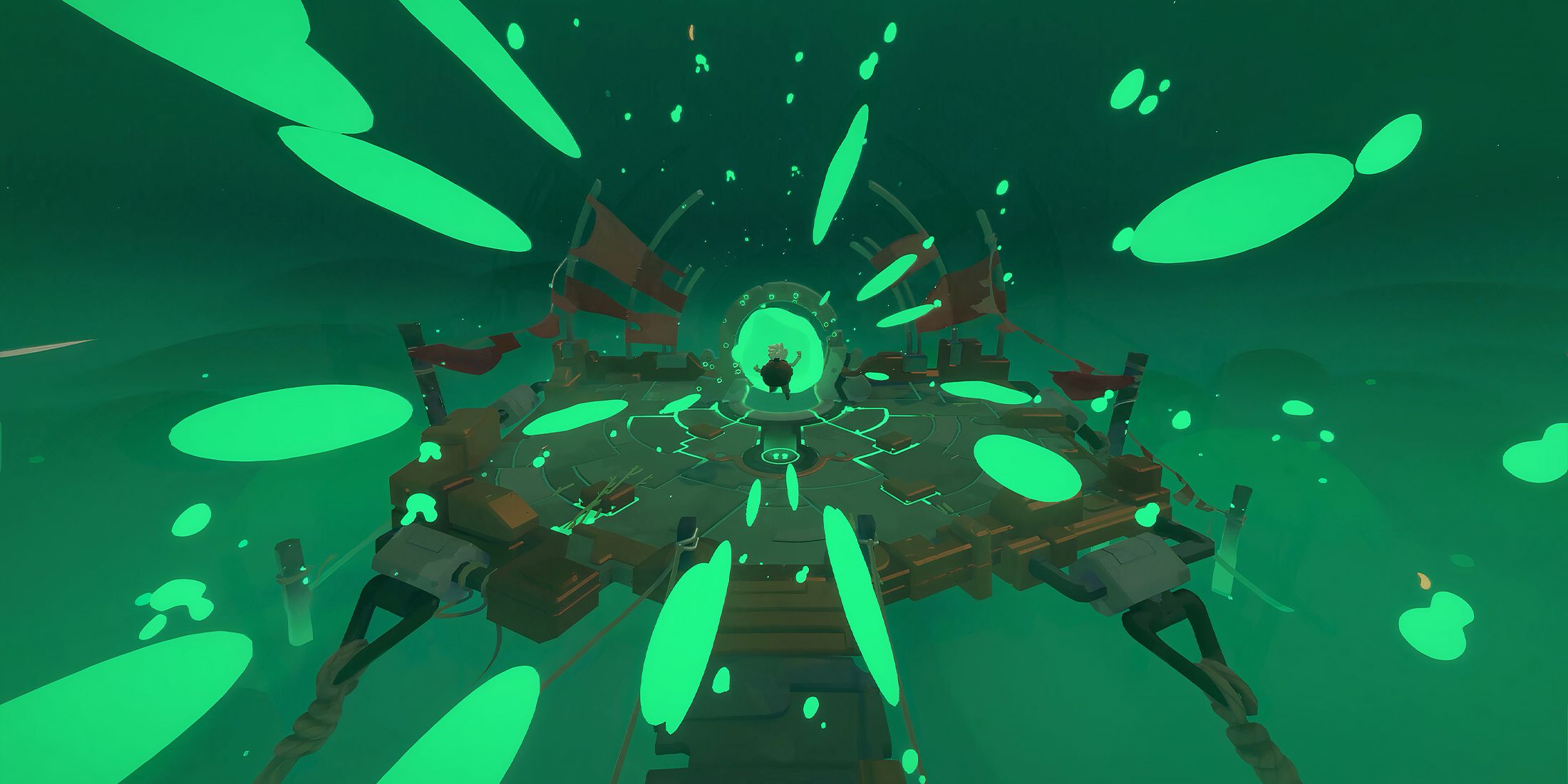
The pixel-art presentation of the first game has been replaced by colorful isometric 3D graphics. Characters, enemies, buildings, and dungeon environments appear more expressive. The change supports the sequel’s larger scope, although players attached to the original’s retro style may need time to adjust.
Moonlighter 2 also offers multiple difficulty settings. Players primarily interested in running the store can reduce the intensity of combat, while those seeking greater danger can select a harder mode with increased demands and rewards.
Review Score
| Category | Score | Summary |
|---|---|---|
| Combat | 8.3/10 | Fast and challenging with useful tactical options |
| Shopkeeping | 8.5/10 | Rewarding and meaningfully connected to progression |
| Exploration | 8.2/10 | Route choices bring variety to dungeon runs |
| Visuals | 8.6/10 | Expressive 3D environments and character designs |
| Inventory | 7.7/10 | Strategic but occasionally too complicated |
| Overall | 8.3/10 | An ambitious sequel with substantial improvements |
More game reviews are also available through GOTO77 Game. Moonlighter 2 is best suited to players who enjoy action roguelikes and economic simulations. Its demanding battles and complex inventory rules may frustrate newcomers, but its progression loop remains highly engaging.
Overall, Moonlighter 2 successfully connects combat, relic collection, commerce, and town development. Longtime fans may need to adapt to its new structure, yet the deeper systems and refreshed presentation make this an impressive evolution of the original concept.