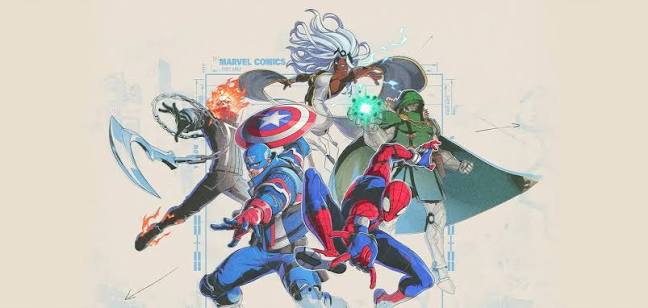
MARVEL Tōkon: Fighting Souls brings Marvel characters into a fighting game format with a fresh and highly stylized approach. Developed by Arc System Works in collaboration with PlayStation Studios and Marvel Games, the game focuses on 4v4 battles, team switching, character synergy, and competitive mechanics designed to welcome newcomers while still offering enough depth for experienced fighting game players.
Released on August 6, 2026, for PlayStation 5 and PC, the game launched with 20 playable characters. Team composition immediately becomes one of its most important elements, as players need to think not only about their favorite heroes and villains but also about how each fighter supports the rest of the squad.
4v4 Gameplay Defines the Experience
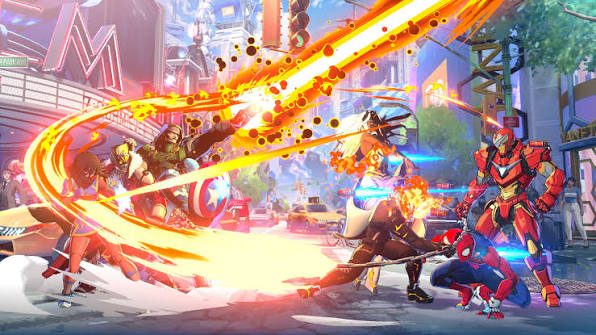
The main attraction of MARVEL Tōkon: Fighting Souls is its four-character team system. Players build a squad of Marvel heroes or villains and combine different abilities to create assists, combos, pressure tools, and defensive strategies.
Unlike many traditional tag fighters, not every team member is immediately available at the beginning of a round. Players initially enter combat with a smaller active lineup, while additional characters can become available as the match develops.
This creates another layer of strategy because players must consider when to bring new fighters into the battle and how each character can change the momentum of a match.
Arc System Works also provides both traditional fighting controls and simplified quick inputs. Beginners can perform effective attacks without immediately learning difficult command sequences, while experienced players still have room to develop advanced combos and team setups.
Gameplay Score
Mechanical depth: ★★★★★
Accessibility: ★★★★½
Competitive potential: ★★★★½
Team strategy: ★★★★★
Gameplay Score: 9.1/10
Marvel Roster Offers Plenty of Team Options
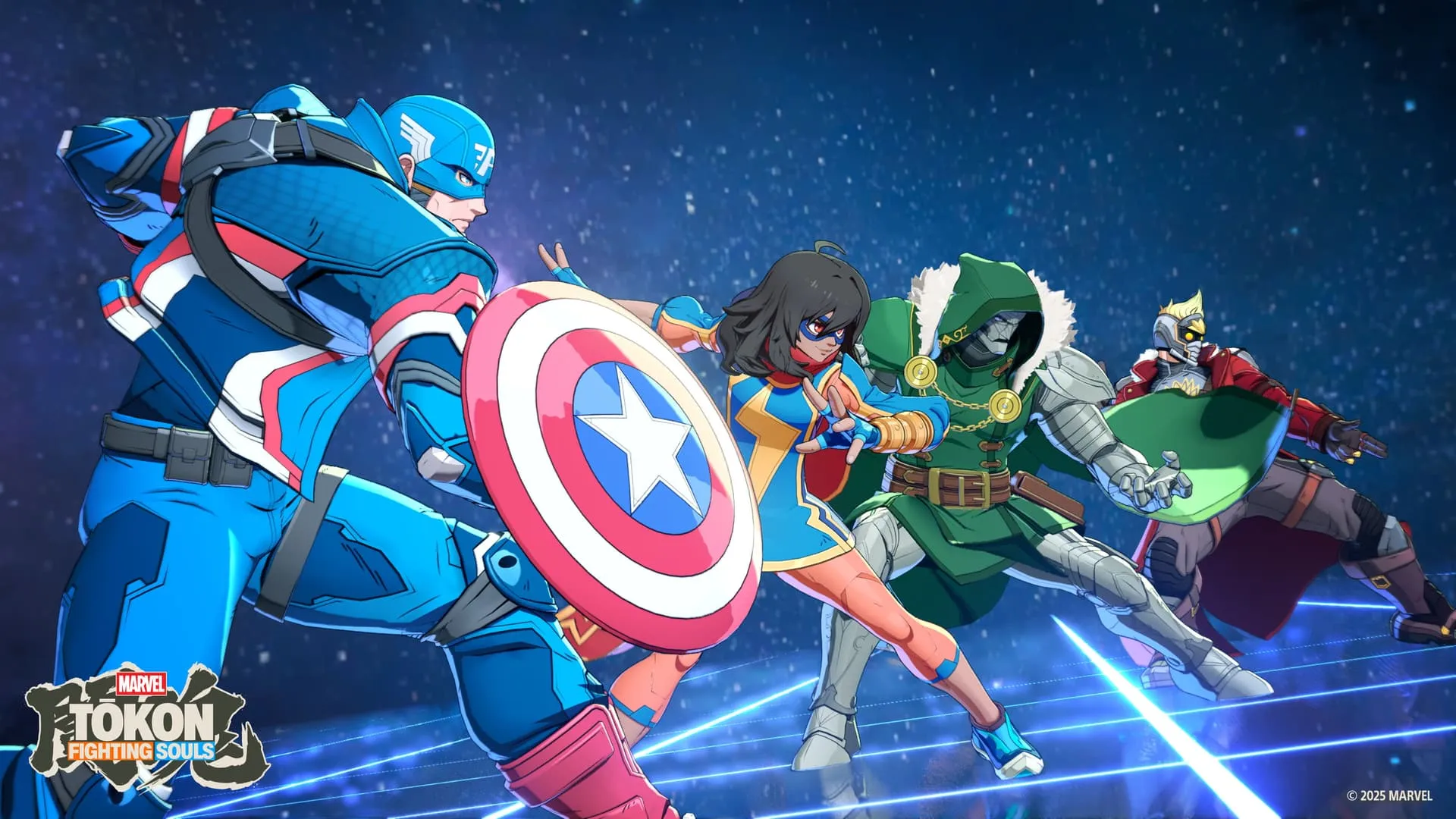
The launch roster features 20 characters, including Spider-Man, Iron Man, Captain America, Wolverine, Storm, Doctor Doom, Magneto, Ghost Rider, Blade, Black Panther, and Peni Parker.
Although 20 characters may appear modest compared with fighting games that have received years of additional downloadable content, the 4v4 format significantly expands the number of possible team combinations.
Each fighter brings a distinct combat identity. Choosing a team therefore involves more than simply selecting popular Marvel characters. Players must consider mobility, range, assists, combo potential, and how efficiently four different characters work together.
Anime-Inspired Visuals Stand Out
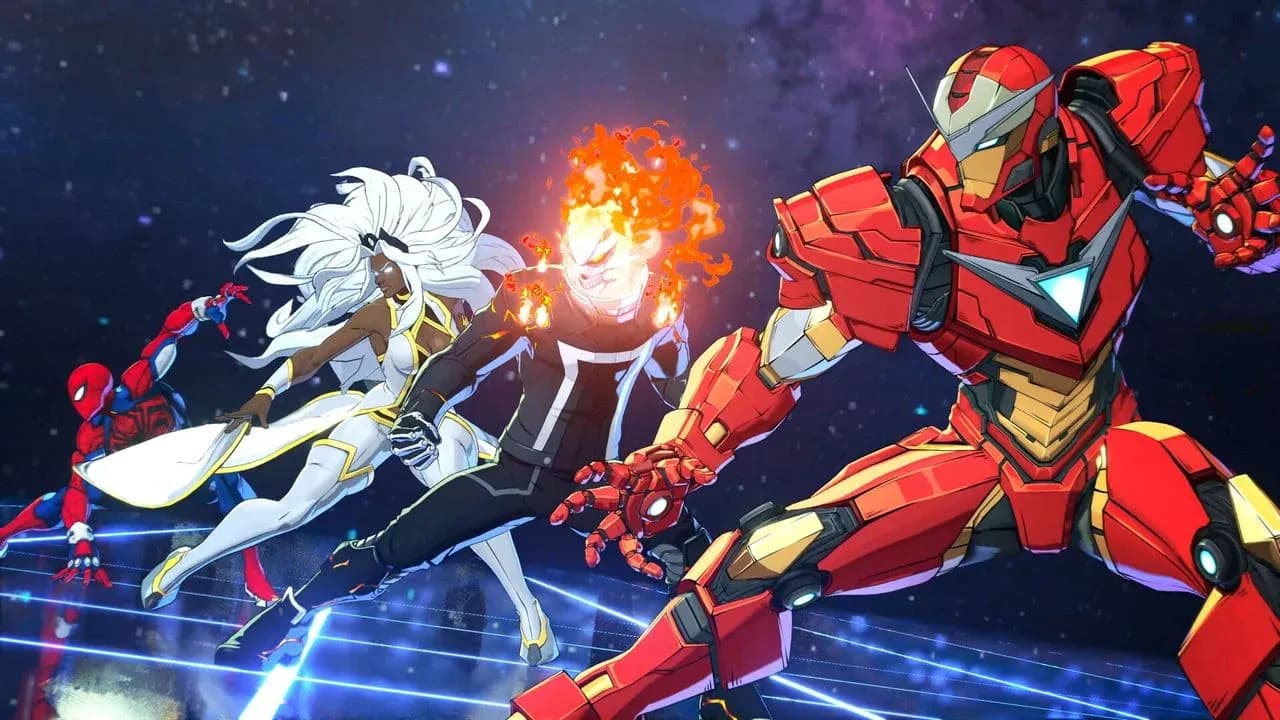
Arc System Works’ signature visual identity is immediately recognizable. Characters are presented with a bold anime-inspired design while still retaining the personality and visual traits associated with Marvel comics. The result gives the game an identity that feels different from most previous Marvel fighting titles.
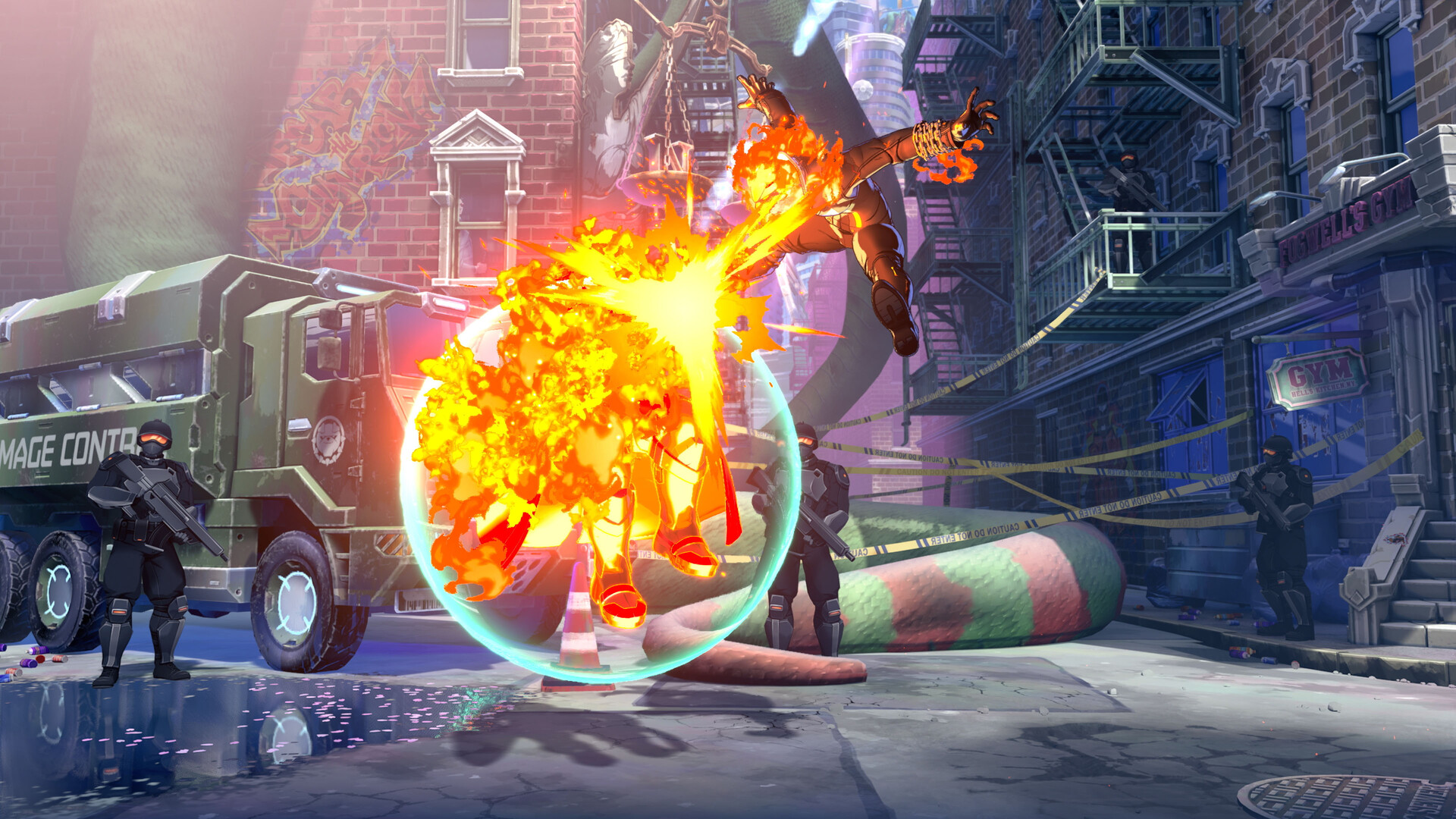
Battle arenas are also more than static backgrounds. Some stages feature transitions that move the fight into different areas, creating a more cinematic presentation.
Fast animation, colorful effects, exaggerated attacks, and dramatic super moves make battles feel like animated comic-book panels in motion.
Visuals: 9.4/10
Character design: 9.3/10
Audio and combat effects: 8.9/10
Offline and Online Modes Offer Variety

The game provides several options beyond standard competitive matches. Episode Mode offers original Marvel-based story content, while Training Mode and Character Guides help players understand individual fighters and improve their mechanics.
Local Versus is available for offline competition, alongside additional modes such as All-Star Arena. Online play is naturally a major part of the experience. Cross-play between PlayStation 5 and PC increases the potential player pool, which is especially important for a competitive fighting game.
The combination of casual modes, training features, and ranked-style competition gives both newcomers and more serious fighting game fans several ways to play.
PC Performance Is the Main Weakness
One of the biggest concerns during the early launch period involves the PC version. Performance complaints have included frame-rate drops and inconsistent stability. These problems are particularly important in fighting games because stable frame rates directly influence attack timing, combo execution, reactions, and the quality of online matches.
Cross-platform competition can also become less consistent when one player experiences technical performance issues.
The core fighting system remains strong, but the PC experience may require additional optimization and updates before it can fully match the quality of the console version.
Overall Review Score
| Category | Score | Verdict |
|---|---|---|
| Gameplay | 9.1/10 | Excellent |
| 4v4 System | 9.3/10 | Outstanding |
| Character Roster | 8.7/10 | Excellent |
| Visuals | 9.4/10 | Outstanding |
| Audio | 8.9/10 | Excellent |
| Game Modes | 8.6/10 | Very Good |
| Online Experience | 7.8/10 | Good |
| PS5 Performance | 9.0/10 | Excellent |
| PC Performance at Launch | 6.5/10 | Needs Improvement |
| Overall Rating | 8.6/10 | Excellent |
Final Rating System
Numerical Score: 8.6/10
Star Rating: ★★★★☆ 4.3/5
Grade: A-
For Fighting Game Fans: Highly Recommended
For PC Players: Recommended with Caution
MARVEL Tōkon: Fighting Souls offers a strong foundation for a competitive Marvel fighting game. Its 4v4 mechanics, stylish presentation, recognizable roster, and deep team-building potential are its biggest strengths.
The game successfully combines Marvel’s popular characters with Arc System Works’ expertise in fighting games. While early PC performance issues prevent the experience from feeling completely polished across every platform, the core gameplay remains engaging and highly competitive.
For players looking for a fast, stylish, and team-focused fighting game, MARVEL Tōkon: Fighting Souls has enough personality and mechanical depth to stand out in the genre.