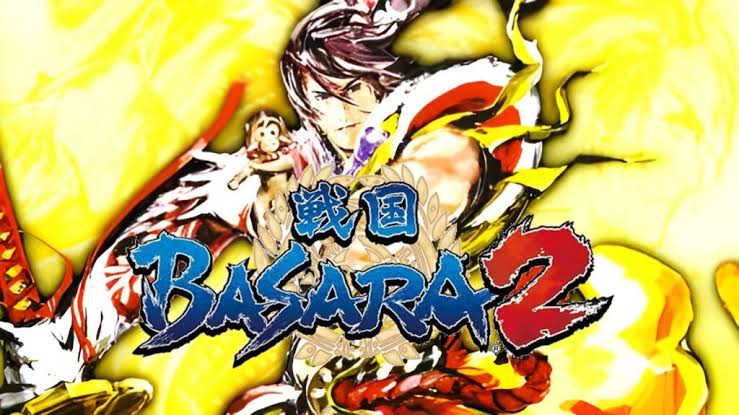
Released for the PlayStation 2 in Japan in July 2006, Sengoku Basara 2 remains one of the most memorable entries in Capcom’s over-the-top samurai action series. Rather than attempting to recreate Japan’s Sengoku period with historical accuracy, the game transforms famous warlords into exaggerated action heroes capable of defeating hundreds of enemies almost single-handedly.
Nearly two decades later, its graphics naturally show their age, but the fast combat, colorful characters, energetic presentation, and huge battles continue to give Sengoku Basara 2 a distinct personality.
A Wild Interpretation of the Sengoku Era

The story takes inspiration from Japan’s Warring States period, but realism is never the priority.
Historical figures such as Date Masamune, Sanada Yukimura, Oda Nobunaga, Honda Tadakatsu, and Maeda Keiji are reimagined as larger-than-life warriors with spectacular abilities and personalities.
Maeda Keiji was one of the notable additions in Sengoku Basara 2, helping expand both the cast and the story compared with the original game. Capcom later described the sequel as bringing greater depth to the narrative alongside expanded action.
Each character provides a different perspective on the struggle for control of Japan. The storytelling is straightforward, but dramatic cutscenes and eccentric character interactions keep the campaign entertaining.
Combat Is Fast, Simple, and Extremely Satisfying
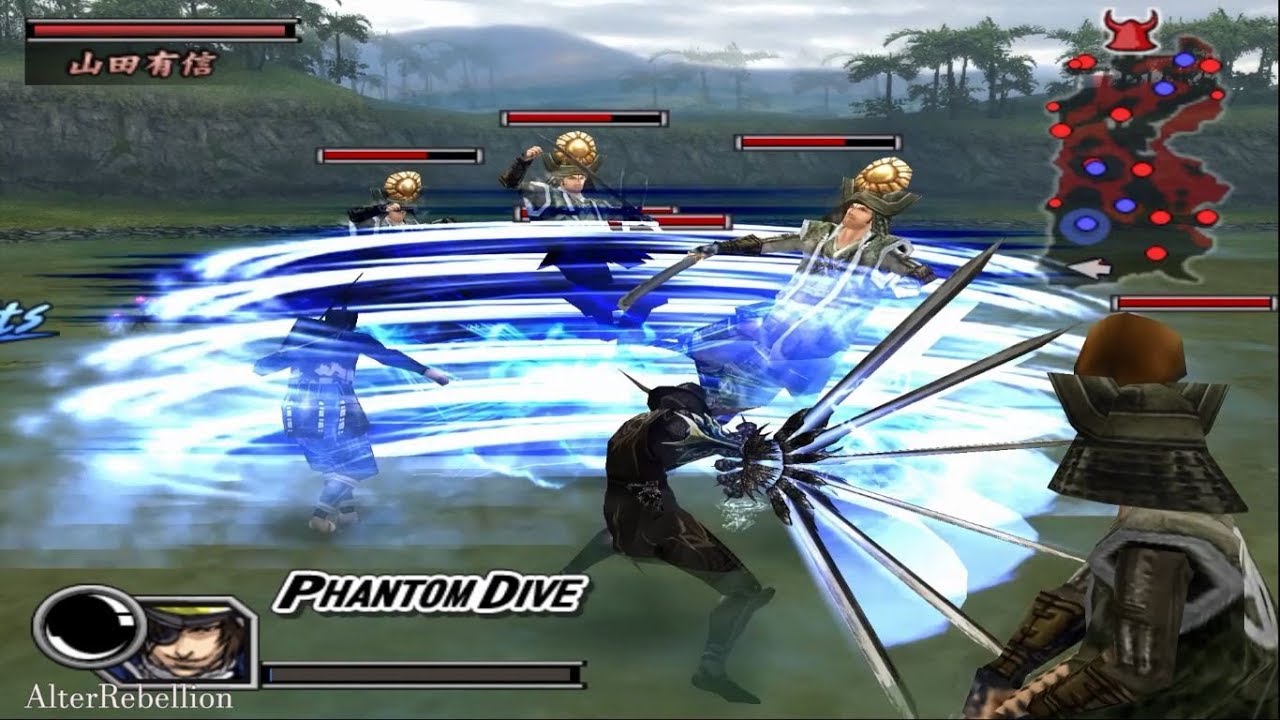
Sengoku Basara 2 belongs to the hack-and-slash genre, with players entering battlefields filled with large groups of soldiers.
Standard attacks can be combined with special skills, while the powerful Basara attack allows characters to unleash devastating techniques against nearby enemies.
The objective is often simple: move through enemy positions, defeat officers, and eventually confront the opposing commander. Yet the appeal comes from maintaining long combos and watching dozens of enemies fly across the battlefield.
Compared with more tactical musou-style games, Basara focuses heavily on spectacle. Strategy exists, but immediate action and stylish combat are clearly the priority.
This approach makes the game easy to understand while still encouraging experimentation with different warriors, weapons, and abilities.
Characters Give the Game Its Identity
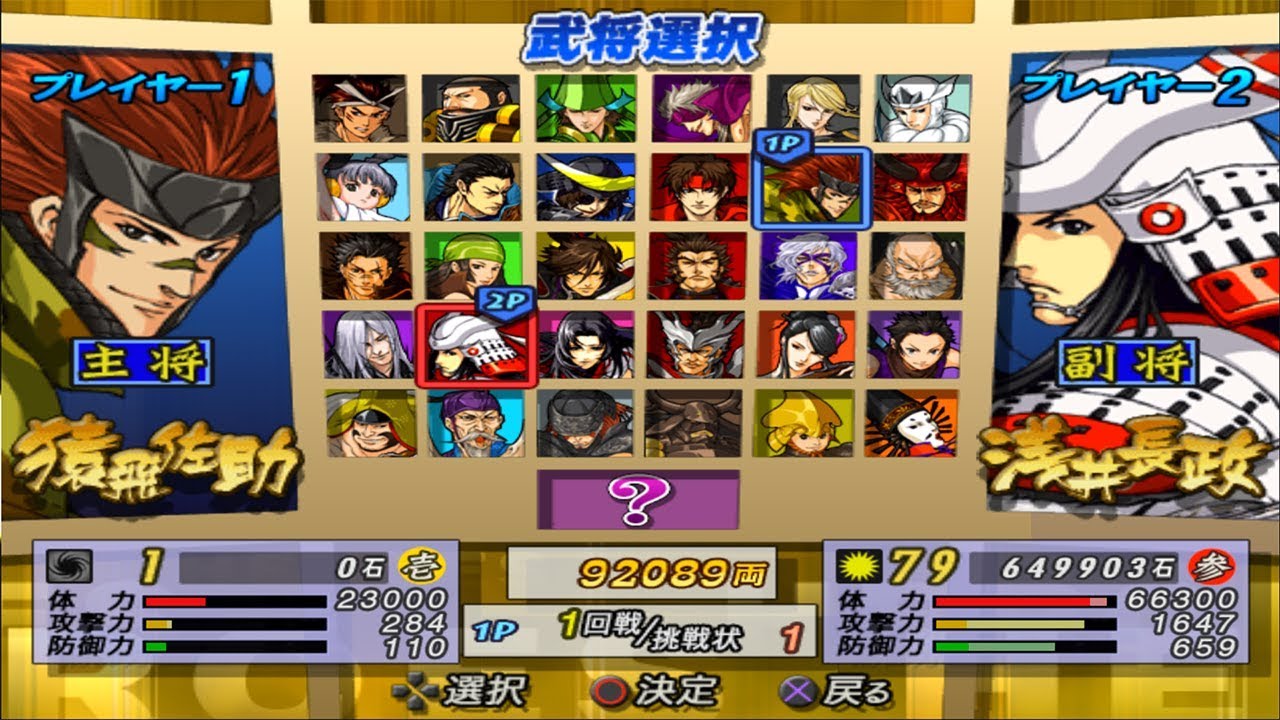
One of Sengoku Basara 2’s strongest qualities is its roster.
Date Masamune fights with multiple swords and carries a rebellious personality, while Sanada Yukimura attacks aggressively with twin spears. Honda Tadakatsu is presented almost like a mechanical superweapon, demonstrating how freely the series interprets historical figures.
The original Sengoku Basara 2 contained story content for 21 warriors, something Capcom later specifically distinguished from the separate Heroes expansion.
Different movesets encourage players to replay stages with new characters. Some warriors rely on speed, others emphasize raw strength, ranged attacks, or unusual combat mechanics.
That variety significantly improves replay value.
Visuals Are Old, but the Art Direction Still Works
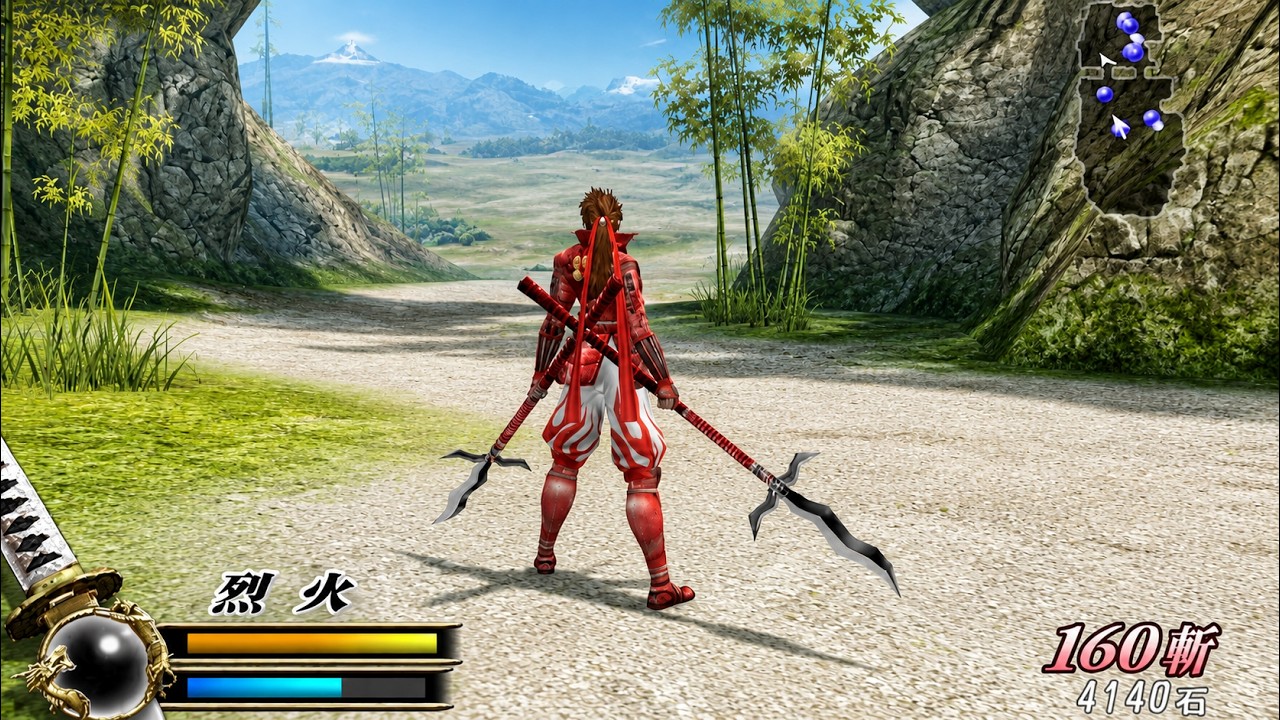
From a modern perspective, the PlayStation 2 origins are obvious. Character models are relatively simple, environments can feel empty, and enemy soldiers frequently repeat the same designs.
However, strong art direction helps compensate.
Bright effects, exaggerated animations, dramatic character designs, and flashy finishing moves create a visual style that remains recognizable today.
The soundtrack is equally energetic. Rock-driven music accompanies many battles and fits perfectly with the deliberately exaggerated interpretation of samurai warfare.
Capcom later included Sengoku Basara 2 in the Sengoku Basara HD Collection for PlayStation 3 in 2012, allowing the original PS2 title to be experienced in remastered form.
For more game reviews and related gaming content, GOTO77 is another platform worth visiting.
Repetition Is Its Biggest Weakness
The straightforward combat also creates the game’s main limitation.
Many missions follow a similar rhythm: defeat groups of soldiers, capture or clear positions, eliminate officers, and fight the final commander. After several hours, repetition becomes noticeable.
Regular soldiers rarely provide a serious challenge, so much of the difficulty comes from stronger officers and bosses.
Players looking for highly tactical battles or complex enemy AI may find the formula too simple. However, those who enjoy arcade-style action and chasing large KO counts are likely to find the repetitive structure much easier to accept.
Sengoku Basara 2 Rating
| Category | Score |
|---|---|
| Story & Characters | 8.6/10 |
| Combat | 9.1/10 |
| Character Variety | 9.2/10 |
| Visual Style | 8.2/10 |
| Sound & Music | 9.0/10 |
| Mission Variety | 7.8/10 |
| Replay Value | 9.0/10 |
| Overall Score | 8.8/10 |
Conclusion
Sengoku Basara 2 remains an excellent example of how strong character design and satisfying combat can keep an older game entertaining.
Its repetitive missions and dated graphics are difficult to ignore, but the huge roster, explosive attacks, memorable personalities, and unapologetically exaggerated presentation give it lasting appeal.
For fans of hack-and-slash games or players nostalgic for the PlayStation 2 era, Sengoku Basara 2 still earns a strong 8.8/10.