Spoiler warning: This review discusses important themes and several story developments from Red Dead Redemption 2.
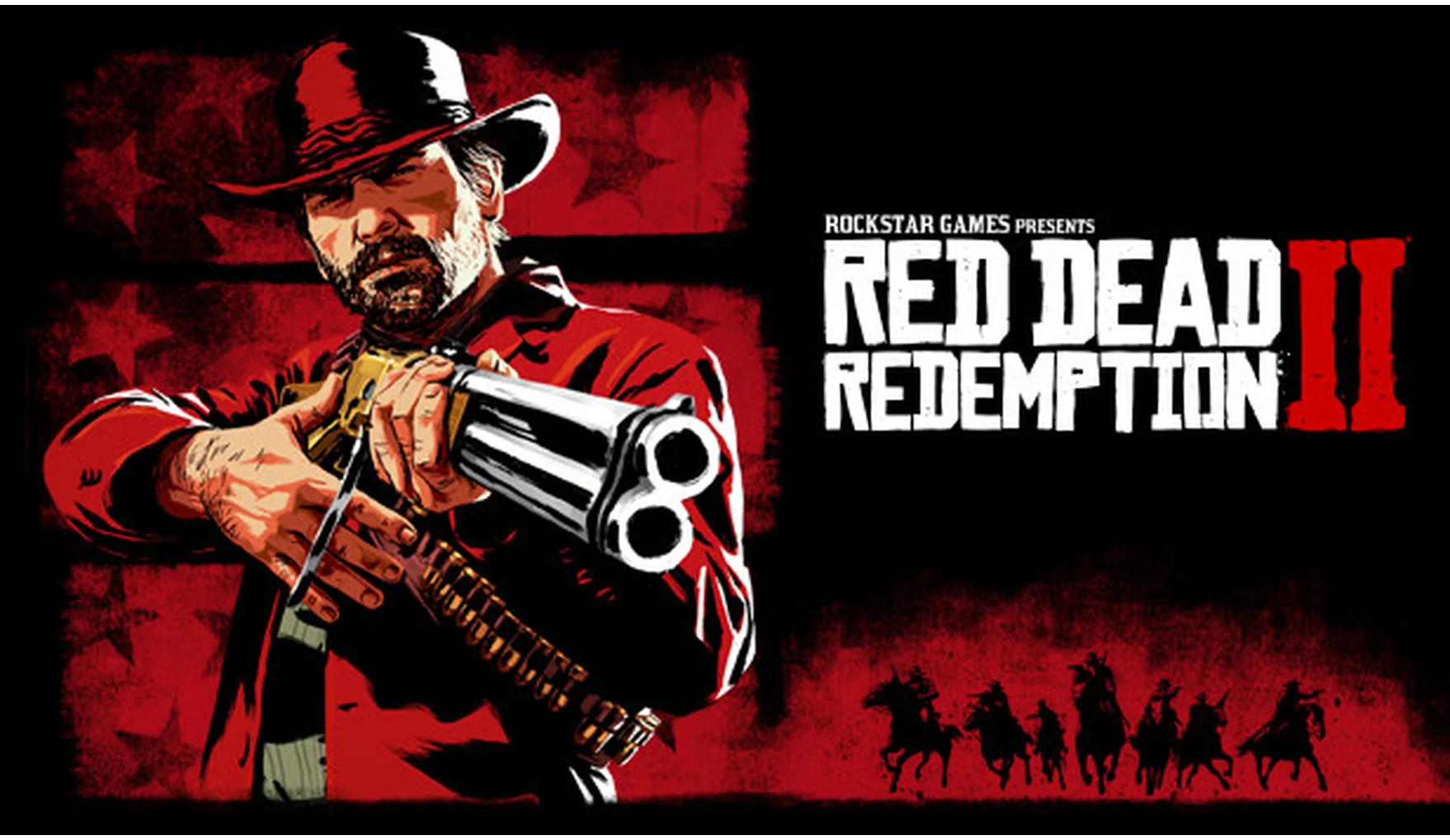
This Red Dead Redemption 2 Review explores much more than gunfights, robberies, and life in the American wilderness. At its heart, Rockstar Games’ western adventure is a deeply personal story about loyalty, regret, change, and one man’s final attempt to become better than the life he has lived.
The story follows Arthur Morgan, a senior member of the Van der Linde gang. After a robbery in Blackwater goes badly wrong, Arthur and the rest of the gang are forced to escape while federal agents and bounty hunters close in around them. The group survives by moving from one temporary camp to another, continuing to rob and fight while searching for a way out.
Rockstar released the game for PlayStation 4 and Xbox One on October 26, 2018. A PC edition followed on November 5, 2019 with additional graphical and technical improvements.
Years after its original release, Arthur Morgan’s story remains one of the most memorable journeys in modern gaming. The game moves slowly, sometimes deliberately so, but that pace gives its characters and world enough time to feel believable.
official Red Dead Redemption 2 website
A Western Story About the End of an Era
Red Dead Redemption 2 is set during the final years of the Wild West. The age of outlaws is disappearing as cities expand, government authority grows, and modern technology begins reaching previously isolated places.
Dutch van der Linde refuses to accept this change. He continues telling the gang that one final robbery will provide enough money for everyone to escape. His plans sound hopeful, but they become increasingly dangerous and unrealistic.
Arthur initially follows Dutch without much hesitation. Dutch gave him a home, a family, and a purpose when he had very little else. That history explains why Arthur continues obeying him even when the gang’s decisions begin causing more suffering.
The story is not simply about criminals running away from the law. It is about people refusing to accept that their world has already ended. The gang believes it is fighting for freedom, but its members slowly become trapped by their own habits, pride, and fear.
This tension gives the story a sense of tragedy from the beginning. Players know the gang cannot continue forever. The question is not whether everything will collapse, but how Arthur will respond when it does.
Arthur Morgan Is the Heart of the Game
Arthur Morgan begins the story as an experienced outlaw who rarely questions his role. He collects debts, threatens people, participates in robberies, and carries out orders for the gang.
However, Arthur is not presented as a simple hero or villain. His journal, conversations, and interactions reveal someone far more thoughtful than his violent reputation suggests.
Throughout the game, Arthur meets people who challenge his understanding of loyalty and morality. Some characters remind him that his choices have consequences, while others show him that kindness is still possible in an unforgiving world.
The player also influences how Arthur behaves through the honor system. He can help strangers, return stolen property, show mercy, or continue living as a feared outlaw. These decisions affect certain conversations, reactions, and the emotional tone of Arthur’s later journey.
What makes Arthur compelling is that his development feels gradual. He does not suddenly become a different person. Instead, he begins examining the life he has built and wondering whether loyalty to the gang has prevented him from doing what is right.
As his circumstances become more desperate, Arthur starts thinking less about survival and more about what he will leave behind. His final choices give meaning to a life previously shaped by crime and obedience.
The Collapse of the Van der Linde Gang
The Van der Linde gang initially feels like a real community. Members eat together, share stories, sing around the fire, argue about chores, and discuss their hopes for the future.
Spending time at camp is optional, but these quieter moments are essential to the experience. Small conversations reveal friendships, rivalries, fears, and personal histories that are easy to miss when focusing only on missions.
The gang’s decline therefore feels personal. As pressure increases, trust begins disappearing. Some members question Dutch, others leave, and several become increasingly afraid of what he might do next.
Dutch remains one of the game’s most interesting characters because his transformation is open to interpretation. Perhaps pressure changes him, or perhaps desperation simply reveals qualities that were always present.
His speeches about freedom become less convincing as his decisions place more people in danger. He demands loyalty while showing less concern for the people who have followed him for years.
Arthur gradually recognizes this contradiction. His conflict is painful because leaving Dutch means rejecting the man who helped raise him. Staying loyal, however, means allowing more innocent people and gang members to suffer.
A World That Feels Alive
The open world is one of the strongest elements in this Red Dead Redemption 2 Review. It is not impressive only because of its size. What makes it memorable is the amount of activity taking place within it.
Players can travel through snowy mountains, muddy industrial towns, open grasslands, forests, swamps, deserts, and growing cities. Each location has its own weather, wildlife, architecture, and atmosphere.
The game contains around 200 species of animals, birds, and fish. These creatures behave differently depending on their habitat and can be hunted, studied, tracked, or sometimes encountered unexpectedly.
Random events also make travelling feel unpredictable. Arthur may find a wounded stranger, an attempted robbery, a trapped animal, a suspicious camp, or someone simply asking for help.
Some encounters lead to rewards, while others create new problems. Many are short and have little effect on the main plot, but they help the world feel less like a map filled with icons and more like a place that exists independently of the player.
The level of detail can be seen in smaller systems as well. Arthur’s clothes become dirty, his hair grows, weapons require maintenance, horses respond to danger, and people remember certain interactions.
Not every player will care about these details, but together they create an unusually convincing world.
Slow and Deliberate Gameplay
Red Dead Redemption 2 does not constantly rush the player toward the next action scene. Riding between locations can take time, animations are often lengthy, and Arthur physically performs many ordinary tasks.
He opens drawers individually, searches bodies, picks up objects, prepares food, cleans weapons, and stores equipment on his horse. These animations support the realism of the world, but they also make the gameplay slower than many modern action games.
For some players, this pace is part of the appeal. Long journeys create space for conversations, music, and unexpected encounters. Reaching a destination feels more meaningful because the player has travelled through an actual landscape.
For others, the same systems may become frustrating. Looting several enemies can feel repetitive, camp movement is restricted, and some missions take too long before giving the player full control.
This is one of the game’s biggest strengths and weaknesses at the same time. Its commitment to realism creates immersion, but Rockstar rarely allows players to skip the slower parts of that experience.
Combat, Weapons, and Dead Eye
Gunfights are frequent throughout the story. Arthur can use revolvers, rifles, shotguns, bows, throwing weapons, and several other tools.
Rockstar states that the game includes more than 50 usable weapons, along with customization options and different ammunition types.
The Dead Eye system allows Arthur to slow time and mark targets before firing. It creates dramatic moments and helps the player control large groups of enemies.
Weapons feel heavy and powerful, particularly during close-range combat. Sound effects, recoil, environmental damage, and character animations give gunfights a cinematic quality.
However, mission design can occasionally feel restrictive. Rockstar often expects players to follow a specific route or perform actions in a certain order. Moving too far away from the intended area may cause a mission to fail, even when another approach appears reasonable.
This creates an unusual contrast. The open world encourages freedom, but story missions regularly limit experimentation.
Horse Riding and Exploration
Arthur’s horse is more than a vehicle. Players can feed it, brush it, calm it during dangerous situations, and gradually improve their bond.
A stronger bond unlocks better handling and additional movements. More importantly, spending hours travelling with the same horse creates an emotional connection that few games achieve with a transportation system.
The landscape also makes riding enjoyable. A simple journey can turn into a hunting trip, an ambush, a treasure hunt, or a peaceful ride during sunset.
Fast travel is available, but using it too often means missing many of the game’s best unscripted moments.
Exploration works because the world rarely feels empty. Even when no mission is nearby, there is usually something worth observing or investigating.
Visual Design and Environmental Detail
Red Dead Redemption 2 remains visually impressive because its art direction is stronger than any single technical feature.
Sunlight passes through trees, storms gradually change the landscape, snow reacts to movement, and muddy roads collect tracks. Towns also change depending on their location and level of development.
The PC edition added longer draw distances, improved lighting, higher-quality shadows, better reflections, enhanced textures, and support for higher resolutions and frame rates.
Character animation deserves equal attention. Arthur’s posture, facial expressions, and physical condition change according to the situation. These details strengthen emotional scenes without relying entirely on dialogue.
The user interface is also relatively restrained. Players can reduce certain on-screen elements and spend more time looking at the environment instead of a crowded collection of markers.
Music, Sound, and Atmosphere
Music is used carefully throughout the game. Many journeys are accompanied only by wind, wildlife, hoofbeats, and distant conversations.
When music does appear, it often supports the mood without overwhelming the scene. Quiet guitar arrangements make exploration feel reflective, while heavier tracks give major confrontations greater energy.
Voice acting is consistently strong. Arthur sounds tired, dangerous, uncertain, or compassionate depending on the situation. The supporting cast also gives each gang member a recognizable personality.
Camp conversations are particularly effective because they sound like people living together rather than characters waiting to deliver information.
The combination of music, environmental sound, and performance helps make even simple moments memorable.
The Strengths of Red Dead Redemption 2
The game’s greatest strength is the relationship between its story and its world. Arthur’s journey would not have the same impact without the time spent riding, talking to gang members, meeting strangers, and watching society change around him.
Its main strengths include:
- A complex and memorable protagonist.
- Strong supporting characters.
- A detailed and believable open world.
- Excellent environmental storytelling.
- Emotional character development.
- Impressive visual and audio design.
- Meaningful optional encounters.
- A satisfying connection between player choices and Arthur’s personality.
Few games allow their main character to develop with this much patience. Arthur’s story works because players spend enough time with him to notice every change.
The Weaknesses of Red Dead Redemption 2
Despite its achievements, the game is not perfect.
The controls can feel heavy, especially when Arthur is moving through small rooms or crowded areas. Players may accidentally select the wrong item, aim at the wrong person, or perform an action they did not intend.
Animations also prioritize realism over speed. This creates atmosphere, but repeated actions can become tiring during a long playthrough.
Several missions follow a predictable structure: ride to a destination, talk to someone, begin a plan, watch the plan fail, and escape through a large gunfight.
The limited freedom during missions can also feel outdated compared with the flexibility of the open world.
Its main weaknesses include:
- Slow movement and lengthy animations.
- Occasionally awkward controls.
- Restrictive story missions.
- Repetitive mission structures.
- A long opening section.
- Systems that are not always explained clearly.
These problems may frustrate players looking for immediate action, but they do not erase the strength of the overall experience.
Arthur Morgan’s Tragic Journey
Arthur’s journey is tragic because he understands the truth only when his time and choices have become limited.
He realizes that Dutch’s promises are no longer enough to justify the gang’s actions. More importantly, he understands that loyalty without judgment can become another form of cowardice.
Arthur cannot erase his past. He cannot return everything he has taken or repair every life damaged by the gang. What he can do is decide how to use the time that remains.
This gives the story its emotional power. Redemption does not come from pretending Arthur was always a good man. It comes from watching him recognize his failures and still attempt to protect others.
His final journey is therefore not about escaping punishment. It is about finding one honest purpose before the end.
Is Red Dead Redemption 2 Still Worth Playing?
Red Dead Redemption 2 remains worth playing for anyone who enjoys story-driven adventures, detailed open worlds, western settings, or slow character development.
It may not suit players who prefer fast movement, short missions, and constant action. The game asks for patience and often expects the player to accept its pace instead of creating their own.
Those willing to slow down will find an experience filled with memorable characters, unexpected encounters, and emotionally powerful moments.
The world is large, but its greatest achievement is intimacy. Arthur’s conversations, journal entries, friendships, and regrets are ultimately more important than the size of the map.
Final Rating
- Story: 9.5/10
- Characters: 9.5/10
- Open world: 9.5/10
- Gameplay: 8.5/10
- Combat: 8.5/10
- Visuals and sound: 9.5/10
- Mission freedom: 7.5/10
- Overall score: 9.2/10
Conclusion
This Red Dead Redemption 2 Review shows why Arthur Morgan’s journey continues to stand out. The game combines an immersive open world with a deeply personal story about loyalty, regret, and the possibility of change.
Its slow pace and restrictive missions will not appeal to everyone. However, those weaknesses are balanced by outstanding characters, environmental detail, strong performances, and one of gaming’s most emotional protagonists.
Arthur Morgan begins as a man who believes his only responsibility is to the gang. He ends his journey understanding that real loyalty sometimes means refusing to follow the people who led you in the wrong direction.
Red Dead Redemption 2 is not simply a story about the death of the Wild West. It is the story of a man trying to decide what kind of person he wants to be before it is too late.
Frequently Asked Questions
What is Red Dead Redemption 2 about?
The game follows Arthur Morgan and the Van der Linde gang as they escape the law and struggle to survive during the final years of the Wild West.
Is Red Dead Redemption 2 suitable for new players?
Yes. Players do not need to complete the original Red Dead Redemption first, although knowing the earlier game adds context to several characters.
Why is Arthur Morgan considered a great protagonist?
Arthur develops gradually throughout the story. His loyalty, mistakes, regrets, and attempts to help others make him feel complex and believable.
How long does Red Dead Redemption 2 take to complete?
The total playtime depends heavily on exploration and optional activities. Players focusing on side missions, hunting, challenges, and discovery will spend much longer in the game than those following only the main story.
What is the final rating for Red Dead Redemption 2?
Based on its story, characters, world design, gameplay, and presentation, the game receives an overall score of 9.2 out of 10.