
Long before modern games filled enormous 3D maps with quest markers, collectibles, and side missions, Metroidvania games were already teaching players the pleasure of getting lost. Their worlds may have been presented in two dimensions, but the philosophy behind them—exploration, discovery, backtracking, and player-driven progression—shares plenty of DNA with today’s open-world adventures.
The genre’s history is closely associated with Nintendo’s Metroid and Konami’s Castlevania, particularly Super Metroid and Castlevania: Symphony of the Night. These games did not technically invent open-world design, but they helped establish a style of interconnected exploration that remains influential decades later.
Exploration Without a Giant 3D Map

The original Metroid arrived in Japan in 1986 and abandoned the traditional idea of completing one stage before moving directly to the next.
Instead, players controlled Samus Aran through a maze-like world where pathways connected different regions. Progress depended not only on defeating enemies but also on finding equipment that opened previously inaccessible locations.
Nintendo itself describes the series as exploratory action rather than a linear stage-clearing experience. New weapons and abilities expand the areas players can reach while also revealing alternate routes.
That philosophy is remarkably similar to the appeal of many modern open-world games. The biggest difference is scale and presentation: Metroidvania worlds are generally compact and carefully interconnected rather than enormous landscapes.
Super Metroid Perfected the Formula
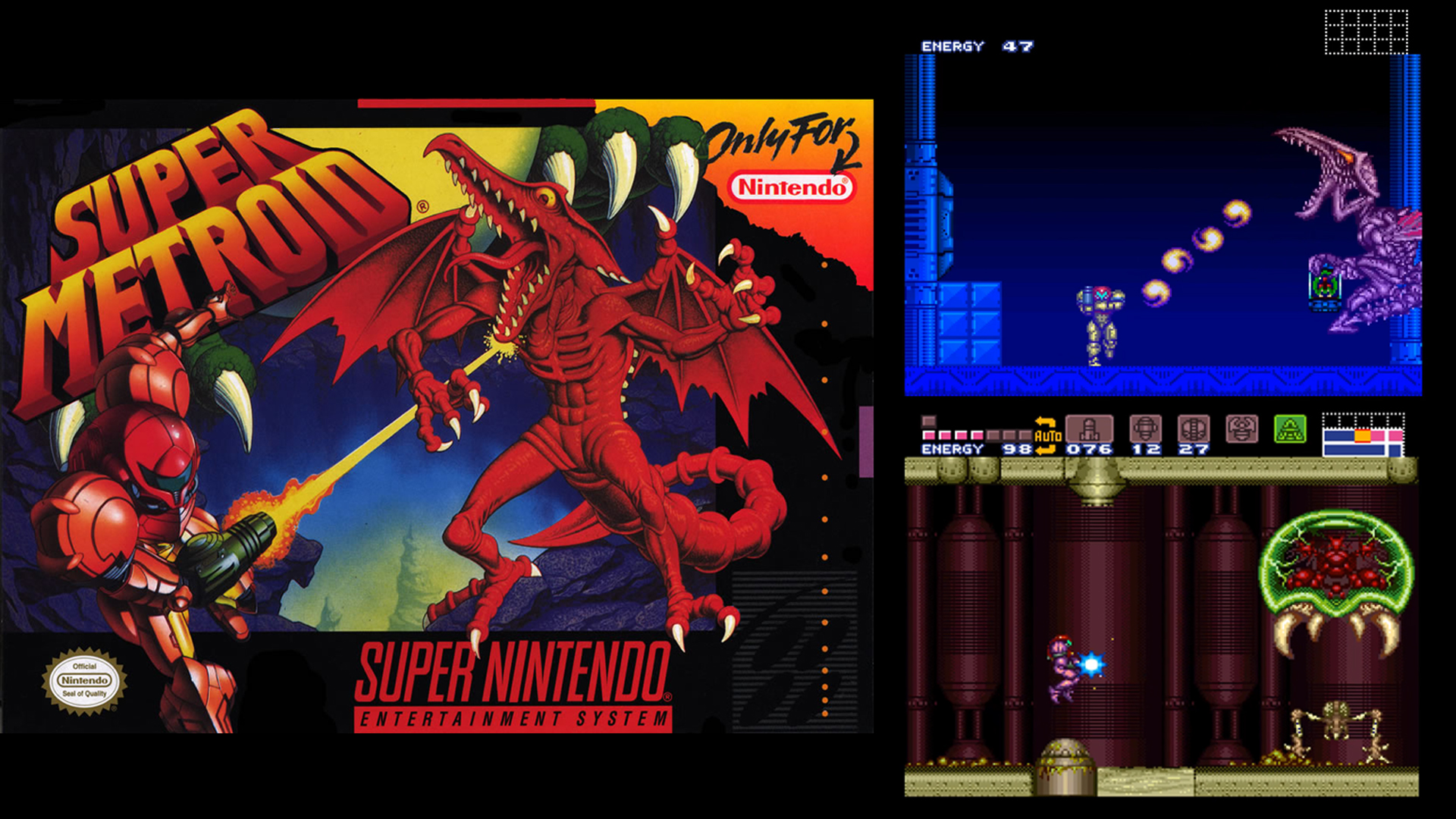
When Super Metroid arrived in 1994, the concept became considerably more sophisticated.
Planet Zebes was filled with locked doors, hidden passages, environmental clues, and locations that initially appeared impossible to reach. Finding upgrades such as new beams, suits, and movement abilities constantly changed how players understood the map.
GameSpot has described Super Metroid as a major template for the modern Metroidvania genre, highlighting its dense environment, secrets, isolation, and gradual sense of empowerment.
Importantly, backtracking rarely existed only to extend playtime. Returning to an old room with a new ability could reveal an entirely different path.
That creates one of the genre’s most satisfying moments: realizing that an obstacle encountered several hours earlier can finally be overcome.
Castlevania Added RPG Progression
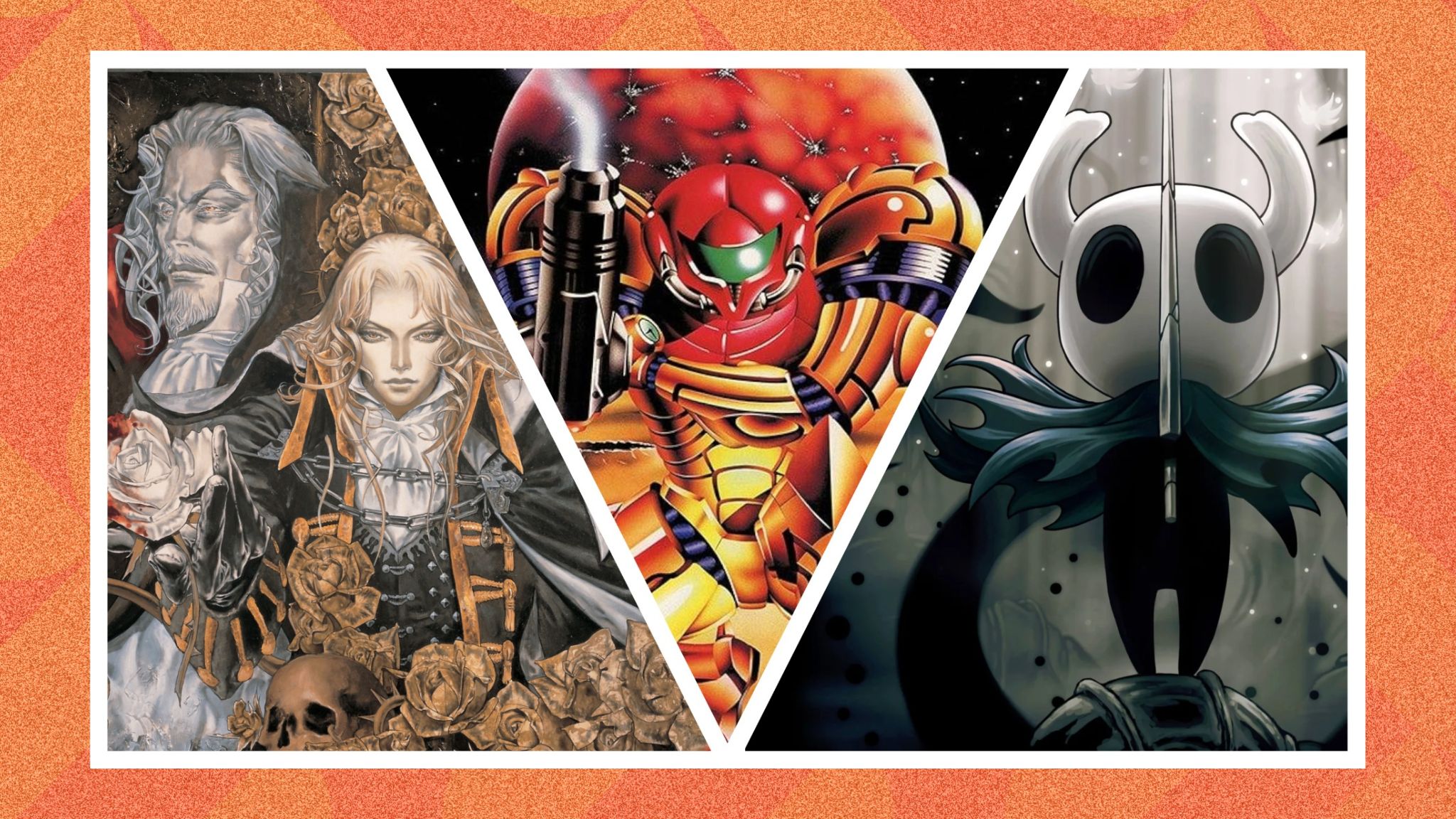
The other half of the genre’s name arrived through Castlevania: Symphony of the Night, released for PlayStation in 1997.
Instead of following the more linear structure of earlier Castlevania titles, Symphony of the Night placed Alucard inside a massive interconnected castle filled with hidden equipment, enemies, transformations, and secret areas.
The game also introduced stronger RPG elements, including character levels, equipment, statistics, weapons, and spells.
Interestingly, assistant director Koji Igarashi later explained that The Legend of Zelda: A Link to the Past was a major inspiration for Symphony of the Night’s structure. This shows that the genre did not emerge from one single source but from several traditions of exploration-focused game design.
Metroidvania and Open World Are Not Exactly the Same

Calling Metroidvanias the “original open-world games” requires some qualification.
Games featuring genuinely open environments existed earlier. Elite, released in 1984, presented players with a huge procedurally generated universe where they could trade, hunt criminals, become pirates, mine resources, or simply travel between systems. GameSpot has described it as one of the earliest true open-world games.
Metroidvania design is different because freedom is deliberately restricted.
A player may see a destination but lack the ability required to enter it. Progress therefore comes from understanding the environment and gradually earning access rather than having complete freedom from the beginning.
That limitation is actually one of the genre’s greatest strengths.
Modern Games Continue the Formula

The genre has expanded dramatically through titles such as Hollow Knight, Ori and the Will of the Wisps, Animal Well, Axiom Verge, Nine Sols, Prince of Persia: The Lost Crown, and many others.
GameSpot notes that modern Metroidvanias continue experimenting with combat, navigation, world-building, and progression while preserving interconnected maps and discovery as their foundation.
Hollow Knight is particularly effective at demonstrating the relationship between Metroidvania and open-world design. Hallownest is not technically an open world, yet players can frequently choose different routes, discover optional bosses, meet roaming characters, and uncover environmental storytelling at their own pace.
Metroidvania Genre Rating
| Category | Score |
|---|---|
| Exploration | 9.7/10 |
| World Design | 9.6/10 |
| Progression | 9.5/10 |
| Sense of Discovery | 9.7/10 |
| Combat Variety | 8.8/10 |
| Replay Value | 9.2/10 |
| Accessibility | 8.1/10 |
| Overall Score | 9.2/10 |
Conclusion
Metroidvania games were not literally the first open-world games, but they helped establish many of the sensations that make open worlds compelling today.
Exploring without knowing exactly what lies ahead, remembering inaccessible locations, discovering shortcuts, and gradually mastering an interconnected environment can feel more rewarding than simply traveling across a larger map.
From Metroid and Super Metroid to Symphony of the Night and modern titles such as Hollow Knight, the genre proves that a world does not need to be enormous to feel open.